10 Landscape Trends Shaping India in 2026: The Future of Green Spaces is Here
As cities expand and lifestyles evolve, landscapes are no longer viewed as decorative additions around buildings. Across India, outdoor spaces are transforming into functional, sustainable, and experience-driven environments that enhance well-being, support biodiversity, and improve long-term environmental performance. Homeowners, institutions, corporate campuses, hospitality projects, and urban developments are increasingly looking for landscapes that do more than look beautiful—they want spaces that perform, adapt, and create lasting value.
At SR Greenscapes Pvt Ltd, we believe landscaping is entering a new era where science, sustainability, and design work together. As a science-driven sustainable landscaping company, we continuously observe emerging trends to create green spaces that remain relevant and resilient. Here are the top landscape trends expected to shape India in 2026.
1.Climate-Resilient Landscapes Will Become the New Standard
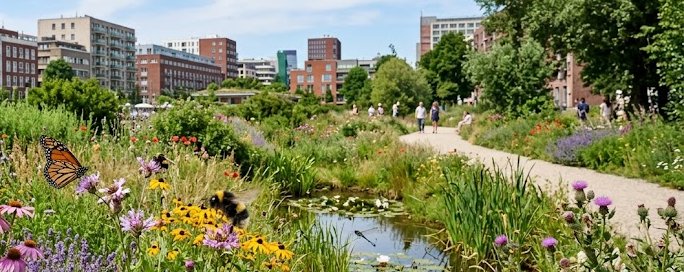
Climate variability, rising temperatures, and changing rainfall patterns are influencing how landscapes are designed across India. Rather than relying on high-input gardens requiring constant maintenance and irrigation, the focus is shifting toward resilient landscapes built around native and climate-adapted plant species.
These landscapes use plants naturally suited to local conditions, reducing water consumption and improving long-term survival. Rain gardens, pollinator-friendly spaces, and drought-tolerant planting systems are becoming essential components of future landscapes. The result is a greener ecosystem that supports both environmental sustainability and reduced maintenance costs.
2.Wellness Gardens Will Move to the Center of Design
People increasingly seek environments that support mental wellness and healthy lifestyles. Landscapes are no longer just outdoor areas; they are becoming spaces for relaxation, reflection, and healing.
Designs featuring meditation zones, yoga lawns, sensory gardens, aromatic plant collections, shaded seating areas, and water elements are becoming increasingly popular. These wellness-focused landscapes create environments where people can reconnect with nature and find relief from the pressures of urban life.
3.Smart Landscaping Technology Will Transform Outdoor Spaces
Technology is reshaping the landscape industry. Smart systems are making landscapes more efficient, sustainable, and easier to manage.
Features such as automated irrigation systems, soil moisture sensors, app-controlled lighting, and AI-supported maintenance monitoring are expected to become increasingly common. These technologies help optimize water use, improve plant health, and reduce operational costs while creating landscapes that function intelligently.
4.Edible Landscapes Will Blend Beauty with Productivity
Modern landscapes are becoming more purposeful. People want gardens that not only look attractive but also provide practical value.
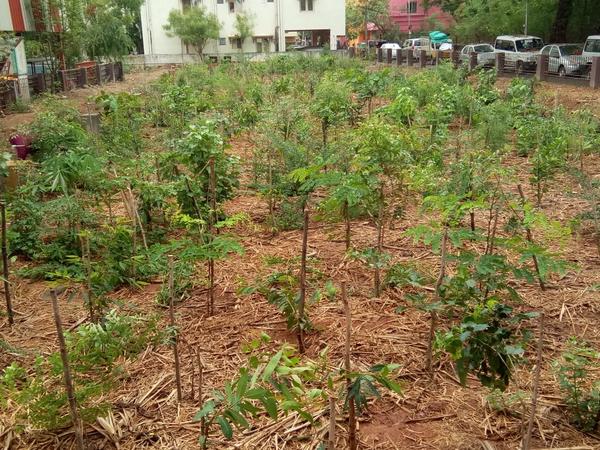
The integration of herbs, vegetables, fruit trees, and edible plants into ornamental landscapes is gaining momentum. Kitchen gardens, edible terraces, herb walls, and productive courtyards allow people to enjoy fresh produce while maintaining visual appeal. This trend combines sustainability, health, and aesthetics in a single design approach.
5.Outdoor Spaces Will Become Multi-Functional Living Areas
Landscapes are increasingly being designed as extensions of everyday life rather than isolated garden spaces.
Outdoor work zones, family gathering areas, event lawns, recreational spaces, and learning environments are becoming integral parts of landscape planning. These flexible outdoor environments maximize space utilization and encourage greater interaction with nature.
6.Low-Maintenance Luxury Will Redefine Landscape Design
There is growing demand for landscapes that provide a premium appearance without requiring extensive maintenance.
Designers are focusing on evergreen plant palettes, durable materials, sustainable groundcovers, and long-lasting planting strategies that maintain visual impact throughout the year. The goal is to create elegant landscapes that remain attractive with reduced upkeep requirements.
7.Biophilic Design Will Strengthen Human–Nature Connections
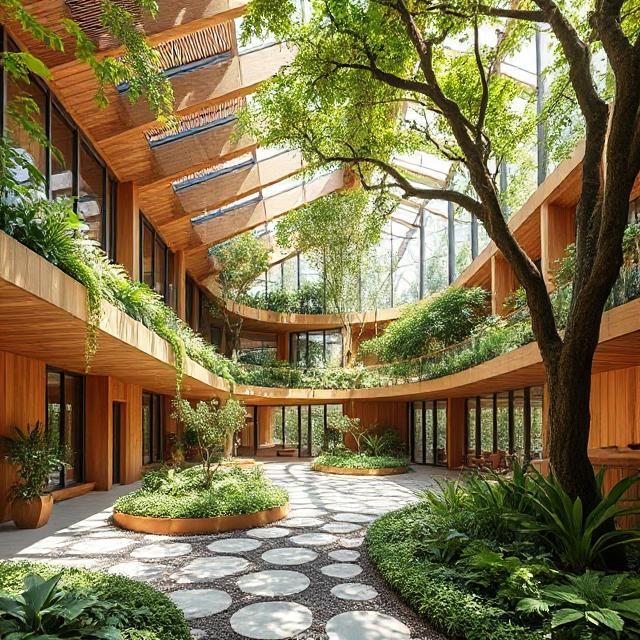
Biophilic design—the concept of integrating natural systems into built environments—is becoming a defining feature of modern landscapes.
Green walls, vertical gardens, courtyard ecosystems, and seamless indoor-outdoor transitions are helping create environments where people feel more connected to nature. These designs not only improve aesthetics but also contribute to improved well-being and environmental performance.
8.Traditional Indian Landscape Concepts Will Return with a Modern Identity
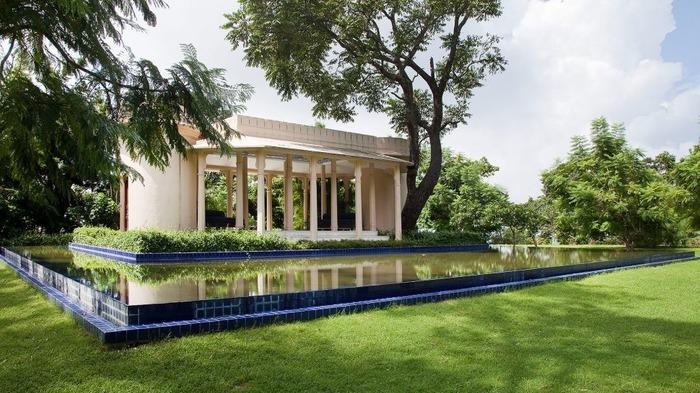
India has a rich landscape heritage that is beginning to influence contemporary design again. Traditional elements such as courtyards, sacred groves, cultural plantings, and water features are being reimagined for modern spaces.
By combining heritage concepts with scientific design approaches, landscapes can become more climate-responsive while preserving cultural identity and ecological value.
9.Statement Planting Will Create Strong Landscape Identity
Landscapes increasingly use bold and distinctive plant selections to create memorable visual experiences.
Architectural trees, sculptural plant forms, bamboo clusters, ornamental focal species, and dramatic planting compositions help establish a strong identity within a landscape. These elements create visual anchors that enhance character and design impact.
10.Water Conservation Will Become a Core Design Priority
As water resources face increasing pressure, landscape designs are expected to prioritize efficient water management strategies.
Rainwater harvesting systems, bioswales, permeable surfaces, and greywater recycling methods are becoming integral components of sustainable landscapes. Future landscapes will not only conserve water but also manage it intelligently.
Designing Landscapes That Perform, Sustain, and Inspire
The future of landscaping in India goes beyond aesthetics. Landscapes in 2026 will be defined by sustainability, resilience, functionality, and innovation. Successful outdoor environments will be those that adapt to changing conditions while enhancing human experiences and ecological performance.
At SR Greenscapes Pvt Ltd, we are committed to creating science-driven sustainable landscapes that combine design excellence with long-term environmental value. As these trends continue to shape the future, we remain focused on developing green spaces that perform, sustain, and inspire.
Ready to transform your outdoor spaces? Connect with SR Greenscapes Pvt Ltd and explore the future of sustainable landscaping.