Beyond Beauty: Designing Butterfly Gardens for Biodiversity, Sustainability & Life
A practical landscape design guide to creating beautiful spaces that attract butterflies and support urban biodiversity.
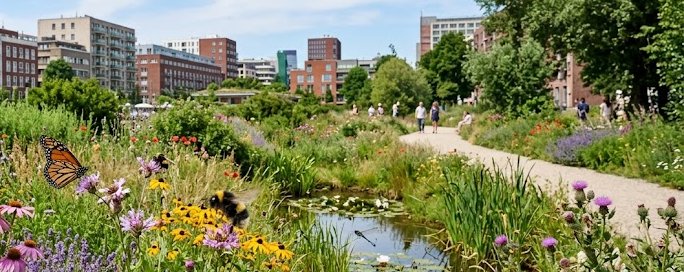
A beautiful garden can do much more than enhance the appearance of a property. When thoughtfully designed, it can become a living habitat that supports butterflies, pollinators, birds, beneficial insects and a wider network of urban biodiversity. A butterfly garden is not simply a collection of flowering plants arranged for visual appeal; it is a carefully planned landscape that provides food, shelter, water, sunlight and suitable breeding conditions throughout the year.
At SR Greenscapes Pvt. Ltd., we believe that sustainable landscape design should combine aesthetics, ecological function and long-term performance. Butterfly-friendly landscapes are a wonderful example of how these principles can come together. With the right plant selection, habitat planning and maintenance approach, residential gardens, institutional campuses, resorts, parks, schools and commercial landscapes can become vibrant spaces where nature is an integral part of the design.
What Makes a Butterfly Garden Different?
A conventional ornamental garden often focuses primarily on visual characteristics such as flower colour, form, texture and seasonal appearance. A butterfly garden goes a step further by considering what living organisms need to complete their life cycles.
Adult butterflies require nectar-rich flowers for energy, while their caterpillars require specific host plants on which they can feed and develop. Butterflies also need sunny areas for basking, sheltered locations away from strong winds and suitable places for resting and breeding. Therefore, simply planting a few flowering species is not enough to create a functional butterfly habitat.
The most successful butterfly gardens are designed as small ecosystems rather than decorative planting beds. Different layers of vegetation, seasonal flowering, host plants, nectar plants, groundcover, shrubs and small trees can work together to create a more resilient and biologically active landscape.
Why Butterflies Matter in Urban Landscapes
Butterflies are among the most visible indicators of ecological activity in a landscape. Their presence can tell us something about the availability of nectar plants, host plants, shelter and suitable environmental conditions.
Urban development often replaces diverse vegetation with buildings, paved surfaces and simplified lawns. This can reduce the availability of food and breeding resources for many insects. Well-designed gardens can help reconnect these fragmented green spaces by providing suitable habitat within residential areas, institutional campuses, parks and other developed environments.
A butterfly garden therefore has value beyond its visual appeal. It can contribute to urban biodiversity while giving people an opportunity to observe natural processes at close range.
Start with the Right Plants
Plant selection is the foundation of butterfly-garden design. A successful planting plan should include both nectar plants for adult butterflies and host plants for caterpillars.
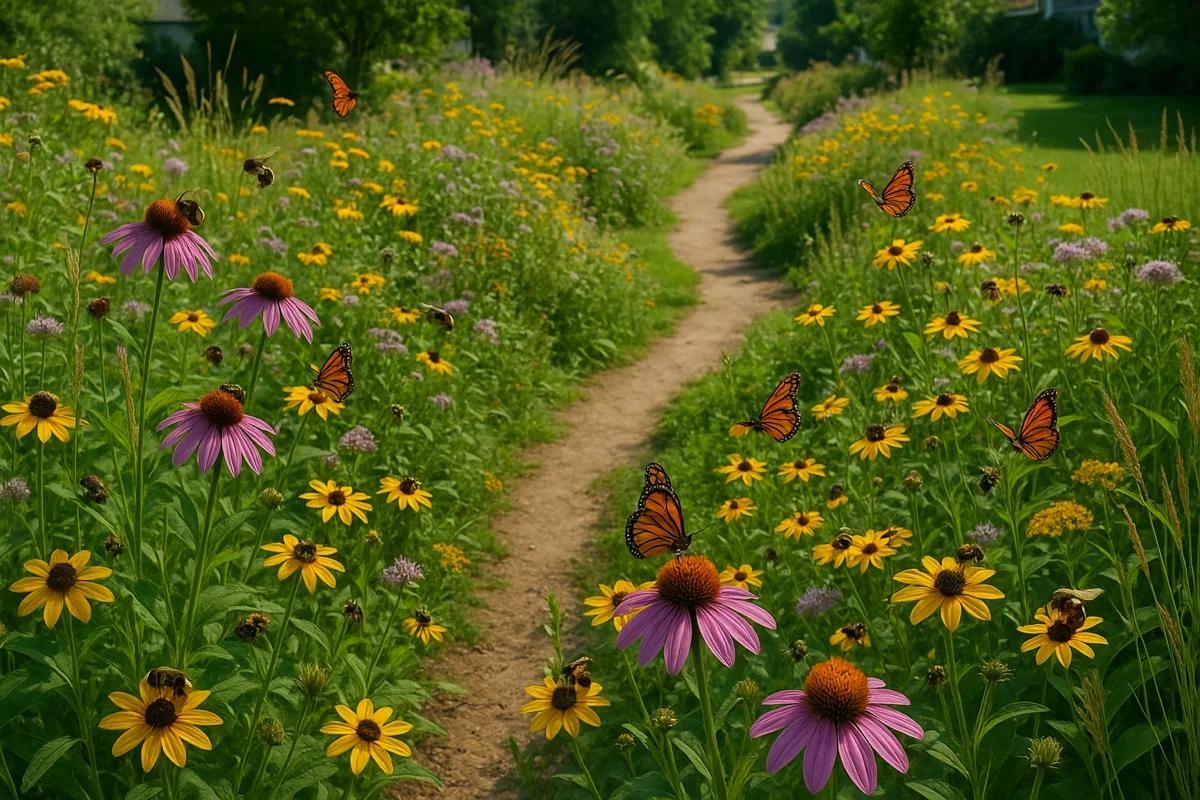
Nectar plants provide the food resources required by adult butterflies. Flowers that produce accessible nectar and occur in clusters can be particularly useful because they allow butterflies to feed efficiently. Plants with attractive colours such as purple, pink, yellow, orange and red can help create visually engaging planting areas while providing valuable floral resources.
However, focusing only on nectar plants can create an incomplete habitat. Caterpillars often depend on particular host plants, and these plants may show feeding damage as caterpillars consume leaves. This is a natural and essential part of the butterfly life cycle.
A truly butterfly-friendly garden therefore needs to accommodate some degree of natural leaf damage rather than treating every chewed leaf as a landscape problem.
Host Plants: The Often-Forgotten Element
One of the most important principles in butterfly gardening is understanding the difference between a nectar plant and a host plant.
Nectar plants primarily support adult butterflies. Host plants support the immature stages of butterflies by providing food for caterpillars and depending on the species, suitable locations for completing their development.
This means that a garden filled with attractive flowers may attract adult butterflies but still provide limited opportunities for them to reproduce if suitable host plants are absent.
For this reason, plant selection should be based on the butterfly species expected in the region, local ecological conditions and the functions each plant performs. A scientifically planned butterfly landscape can combine host plants, nectar plants and supporting vegetation into a coordinated planting strategy.
Design for Continuous Flowering
Butterflies need food over an extended period rather than only during one flowering season. A landscape dominated by plants that flower simultaneously may look spectacular for a short period but provide limited resources at other times.
A better approach is to develop a planting palette that provides staggered flowering throughout the year.
When planning a butterfly garden, landscape designers should consider flowering period, flower structure, plant height, sunlight requirements, water requirements and maintenance needs. Combining groundcovers, herbaceous plants, shrubs, climbers and suitable small trees can create different habitat layers while maintaining visual interest.
This approach also helps ensure that the garden remains dynamic rather than reaching its peak only during one season.
Create Sunlit Spaces
Butterflies are ectothermic organisms and often depend on external heat sources to regulate their body temperature. Sunny areas can therefore be an important component of butterfly habitat.
A butterfly garden should include open, sunlit locations where butterflies can bask and move between flowering plants. At the same time, strategically placed shrubs and vegetation can provide shelter from strong winds.
This balance between open sunny areas and protected vegetation is an important consideration in landscape planning. The garden should not become an overcrowded plantation where sunlight cannot reach the planting zone.
Water, Moisture and Small Habitat Features
Butterflies obtain moisture and minerals from various sources in their environment. One interesting behaviour is known as puddling, where butterflies gather on moist soil, sand or shallow wet areas.
A butterfly-friendly landscape can incorporate small, carefully designed moisture zones or shallow puddling areas. These do not need to be large water bodies. Even a modest habitat feature can add ecological interest when designed appropriately.
Other elements such as stones, logs, leaf litter and natural groundcover can also provide additional microhabitats for insects and other organisms.
The objective is not to make the garden look untidy. Rather, the challenge is to intentionally integrate ecological features into an attractive landscape design.
Avoid Making the Garden Too Perfect
One of the biggest differences between a conventional ornamental landscape and a biodiversity-oriented landscape is the acceptance of natural processes.
Caterpillar feeding may create holes in leaves. Fallen leaves may accumulate in selected areas. Some plants may develop seed heads after flowering. Insects may occupy parts of the garden that would otherwise be considered imperfect.
These are not necessarily signs of poor maintenance. They can be indicators of a functioning ecosystem.
The key is to distinguish between unmanaged growth and purposeful ecological management. A professionally designed biodiversity garden can remain neat, attractive and accessible while still allowing selected areas to function naturally.
Reduce Unnecessary Chemical Dependence
Butterfly gardens should be managed with ecological sensitivity. Broad-spectrum insecticides can affect not only unwanted pests but also butterflies, caterpillars, bees and other beneficial organisms.
Integrated pest management can provide a more appropriate approach. This involves monitoring plant health, identifying the actual cause of a problem, encouraging natural predators and using interventions only when necessary.
In a biodiversity-oriented landscape, the presence of insects should not automatically be considered a problem. Many insects are essential components of the ecosystem.
Design with Native and Regionally Suitable Plants
Plant selection should always consider the local climate and ecology. Native and well-adapted plants can provide important resources for local biodiversity while generally requiring less intensive intervention when appropriately selected for the site.
For landscapes in and around Bengaluru and other parts of southern India, plant selection should take into account local rainfall patterns, temperature, soil conditions, sunlight, water availability and the butterfly species naturally occurring in the region.
There is no universal butterfly-garden plant list that works equally well everywhere. A good landscape plan is site-specific.
Butterfly Gardens Can Fit Almost Anywhere
A butterfly garden does not require a huge property. Even a relatively small space can provide valuable habitat when it is designed intelligently.
Residential gardens can incorporate butterfly-friendly planting along boundaries, around lawns or within small courtyards. Schools can create educational butterfly gardens where students can observe metamorphosis and plant-insect relationships. Resorts and hospitality properties can integrate biodiversity gardens into recreational landscapes.
Corporate campuses, institutional properties, public parks and community spaces can also incorporate larger butterfly habitats as part of their environmental and landscape planning.
Even terraces and balconies can contribute through carefully selected container plants, provided that sunlight, wind exposure, irrigation and plant requirements are considered.
Designing a Butterfly Garden as an Experience
A butterfly garden can also become an engaging human experience.
Instead of treating biodiversity as something hidden behind a boundary, landscape design can bring ecological processes into everyday spaces. Curved pathways, planting clusters, interpretation panels, viewing areas and carefully framed garden perspectives can encourage people to slow down and observe.
For schools and institutions, butterfly gardens can become outdoor learning environments. For residential properties, they can create peaceful spaces for observation and relaxation. For resorts and hospitality projects, they can become distinctive landscape features that connect visitors with nature.
The landscape therefore serves two purposes: creating habitat for biodiversity and creating meaningful experiences for people.
A Practical Butterfly Garden Design Approach
Designing a butterfly-friendly landscape should begin with understanding the site rather than selecting plants immediately.
The first step is site assessment. Sunlight, soil, drainage, existing vegetation, water availability, wind exposure and surrounding land use should be studied.
The second step is identifying the ecological objectives. Is the primary goal to attract butterflies, support breeding, increase overall pollinator diversity, create an educational garden, improve an existing landscape or develop a larger biodiversity zone?
The third step is plant selection. Nectar plants, host plants, shrubs, groundcovers and supporting vegetation should be selected according to local conditions and the intended ecological functions.
The fourth step is spatial planning. Plants should be arranged according to height, sunlight, flowering period, water requirement and visual composition. Open basking areas, sheltered zones, pathways and small habitat features can then be incorporated into the design.
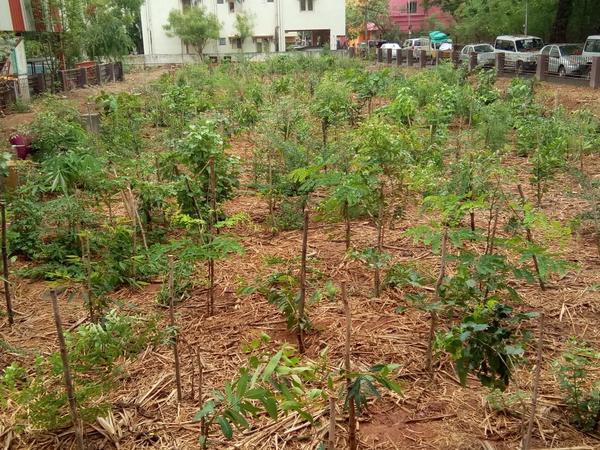
Finally, the landscape should be supported by an appropriate maintenance strategy. Irrigation, pruning, mulching, weed management, plant replacement and ecological monitoring should be planned from the beginning rather than treated as afterthoughts.
From Ornamental Garden to Living Ecosystem
The most exciting aspect of butterfly-garden design is that beauty and biodiversity do not have to compete.
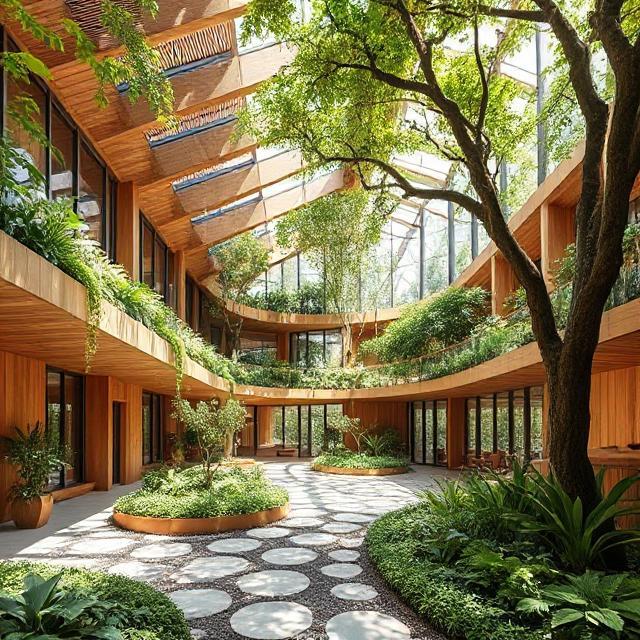
A carefully planned landscape can combine colour, texture, seasonal interest and architectural composition with ecological function. Flowering plants can provide nectar. Host plants can support caterpillars. Shrubs can provide shelter. Trees can create structure. Water and soil features can support additional organisms.
Together, these elements transform a garden from a static visual space into a living system.
This is the essence of sustainable landscape design: designing spaces that perform ecological, functional and aesthetic roles at the same time.
Building Biodiversity into the Future of Landscape Design
As cities expand, the role of private gardens, institutional campuses, commercial landscapes and public green spaces becomes increasingly important. Every thoughtfully designed green space can contribute to a larger network of urban habitats.
Butterfly gardens offer a practical and visually engaging way to introduce biodiversity into landscape projects. They demonstrate that sustainability does not necessarily mean sacrificing aesthetics. Instead, ecological thinking can make landscapes more meaningful, resilient and connected to their surroundings.
At SR Greenscapes Pvt. Ltd., we approach landscape development by considering the relationship between plants, people, site conditions and the environment. From butterfly-friendly gardens and biodiversity landscapes to residential, institutional and commercial projects, our aim is to create landscapes that are beautiful today and valuable for the future.
Let Your Landscape Become Part of Nature
A butterfly visiting a garden may appear to be a small event, but it represents a much larger ecological relationship between plants, insects, soil, water, climate and habitat.
The opportunity for landscape design is to create more of these relationships.
Whether you are planning a residential garden, school campus, institutional landscape, resort, corporate property or biodiversity project, butterfly-friendly design can be incorporated into the landscape from the beginning.
A beautiful landscape attracts attention. A living landscape creates connection.
If you are planning a butterfly garden, biodiversity landscape or sustainable landscape project, SR Greenscapes Pvt. Ltd. can help develop a site-specific design based on your space, climate, planting requirements and long-term landscape objectives.
SR Greenscapes Pvt. Ltd.
Science-Driven Sustainable Landscapes
Landscape Design & Execution | Horticulture Consultancy | Biodiversity Landscapes | Garden Development & Maintenance
Based in Bengaluru | Pan-India Project Execution
Plan a landscape that does more than look beautiful—design one that supports life.