Beyond Beauty: Why Hotels and Resorts Need Experience-Driven Landscapes
The Landscape Is Part of the Guest Experience
When guests arrive at a hotel or resort, their experience begins long before they enter the lobby. It begins at the entrance, continues through the driveway and arrival court, and extends into gardens, pathways, poolside areas, outdoor dining spaces, courtyards, lawns and recreational zones. Every tree, planting bed, pathway, water feature, seating area and open space contributes to how guests perceive and remember the property. A well-designed landscape therefore does much more than make a hotel or resort look beautiful. It creates atmosphere, improves comfort, supports functionality, strengthens the identity of the property and contributes to a memorable guest experience. For hospitality projects, landscaping should not be treated as decoration added after construction. It should be considered an integral part of the property's planning, architecture, operations and guest journey.
What Is an Experience-Driven Landscape?
An experience-driven landscape is designed around a fundamental question: What should guests see, feel and experience as they move through the property? Instead of simply filling open spaces with lawns, palms, shrubs and ornamental plants, the landscape is planned as a sequence of meaningful experiences. A guest may move from a dramatic entrance landscape to a shaded pedestrian pathway, from a vibrant tropical garden to a quiet seating area, or from an open lawn to a private garden overlooking a natural feature. Each space has a purpose and every element contributes to the overall character of the property. This approach transforms a landscape from a collection of plants into a carefully planned hospitality environment.
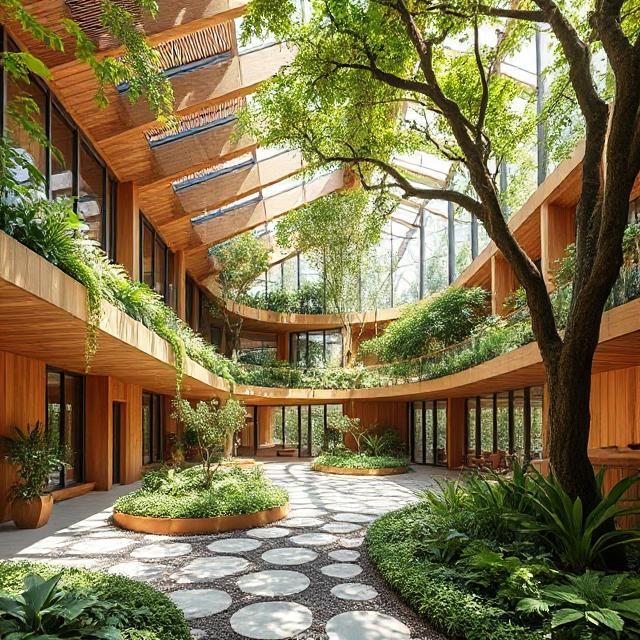
A successful hospitality landscape should guide movement, create anticipation, provide moments of discovery and offer spaces for relaxation and interaction. The landscape should work together with the architecture rather than appear as an independent layer added at the end of construction. When landscape design is considered from the early planning stage, it becomes possible to integrate planting, circulation, outdoor amenities, drainage, irrigation, lighting, views and activity areas into one coordinated design strategy.
Creating a Memorable Arrival Experience
The first impression of a hotel or resort often begins outside the building. The entrance landscape can immediately communicate the quality, character and positioning of a property. A luxury resort may require an elegant and sophisticated planting composition, while an eco-resort may benefit from a natural and ecological landscape character. A wellness retreat may require calming planting, sensory gardens and shaded spaces, while a business hotel may benefit from a clean, structured and relatively low-maintenance landscape.
Strategic tree placement, accent plants, flowering species, palms, groundcovers, landscape lighting, signage visibility and carefully framed views can work together to create a memorable arrival. The objective is not simply to decorate the entrance but to establish a sense of identity and anticipation. The moment a guest enters the property should communicate that they have arrived somewhere distinctive and thoughtfully designed.
Landscape Design Can Strengthen Hotel Branding
Every successful hospitality property has an identity and the landscape should reinforce that identity. Plant selection, colours, textures, forms, materials, water features, pathways, outdoor structures and spatial arrangements can all be coordinated with the architectural character and brand positioning of the hotel or resort. A luxury property may require refined planting compositions and carefully framed views, while a wellness resort may benefit from sensory gardens, natural materials, tranquil planting and spaces designed for relaxation. An eco-resort may integrate native vegetation, biodiversity, rainwater management and naturalistic landscape design.
When architecture and landscape are designed to work together, the entire property becomes more distinctive. Guests should feel that the landscape belongs to the property rather than being a generic collection of ornamental plants. Good landscape design does not compete with architecture; it completes it.
Guests Remember Experiences, Not Just Plants
A hotel may contain thousands of plants, but guests rarely remember individual plant species. They remember experiences. They remember walking beneath a beautiful canopy of trees, having breakfast surrounded by greenery, relaxing beside water, enjoying a sunset from a landscaped terrace, discovering a fragrant garden pathway or finding a peaceful corner away from the main activity of the property.
These experiences can be intentionally created through professional landscape planning. Carefully positioned gardens, shaded seating areas, water features, pathways, viewpoints, flowering zones and outdoor activity spaces can encourage guests to pause, explore, photograph, relax and interact with nature. The landscape therefore becomes something that guests do not merely see but actively experience. This is the fundamental difference between conventional decorative landscaping and experience-driven hospitality landscape design.
Outdoor Spaces Can Increase the Functional Value of a Property
Hospitality landscaping is not only about visual appeal. Well-designed outdoor spaces can significantly expand the functional potential of a hotel or resort. Landscaped lawns, courtyards, terraces, gardens and shaded spaces can accommodate outdoor dining, destination weddings, corporate events, wellness activities, yoga sessions, children's recreation, private seating, photography, evening events and social gatherings.
A carefully planned outdoor space can serve multiple purposes instead of remaining an underutilized portion of the property. For example, an event lawn can be designed to function as an everyday recreational space while also accommodating weddings and corporate events. A landscaped courtyard can provide a relaxing guest area during the day and become an evening dining or social space when properly integrated with lighting and outdoor furniture. When landscape design is integrated with the operational requirements of the hotel, outdoor areas can become valuable hospitality assets rather than simply maintenance zones.
Privacy, Comfort and Thermal Performance Matter
Privacy is another important consideration in hospitality landscape design. Guests may appreciate beautiful views, but poorly planned surroundings can reduce their sense of comfort and exclusivity. Landscape design can provide privacy without creating an enclosed or artificial feeling. Trees can provide vertical screening, shrubs can create mid-level visual barriers and climbers and groundcovers can soften walls and structures. Carefully layered planting can screen neighbouring buildings, roads, parking areas, service zones and other unwanted views while maintaining a natural appearance.
Thermal comfort is equally important, particularly in warm and tropical climates. A landscape may look beautiful, but if it is uncomfortable to use, its value is limited. Strategically positioned trees can provide shade along pedestrian routes, around seating areas, near outdoor dining spaces and within recreational zones. Vegetation can also soften large areas of hardscape and improve the visual and environmental comfort of outdoor spaces. Effective hospitality landscapes should therefore consider sunlight, shade, wind movement, vegetation, hardscape, water and user movement together. Scientific site assessment and horticultural expertise can make a significant difference in creating outdoor environments that people actually want to use.
Plant Selection Should Be Based on Performance
One of the most common landscaping mistakes is selecting plants simply because they look attractive. A plant that performs well in a nursery or another geographical location may not necessarily perform well at a particular hotel or resort. Professional plant selection should consider climate, soil conditions, drainage, sunlight, wind exposure, water availability, maintenance requirements, root behaviour, growth rate, mature size, pest and disease susceptibility and seasonal performance.
Choosing the right plant for the right location can provide years of healthy performance, while inappropriate plant selection can lead to repeated replacement, excessive pruning, irrigation difficulties, pest problems and unnecessary maintenance expenses. For a large hospitality property, these issues can become significant recurring costs. Experience-driven landscapes therefore require horticultural knowledge as much as visual creativity. Planting should be planned not only for how it looks at installation but also for how it will develop over five, ten or even twenty years.
Water Management Should Be Designed Into the Landscape
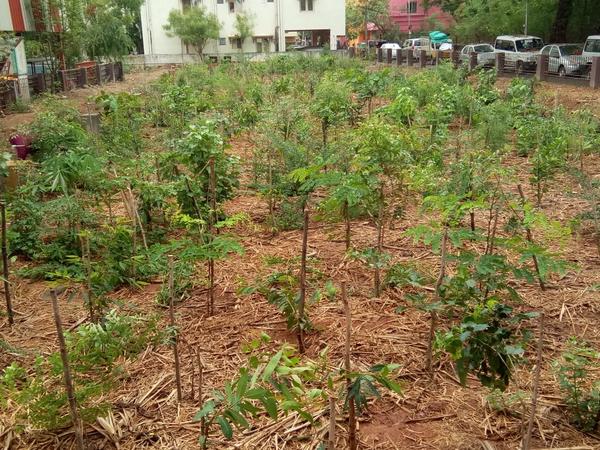
Water is one of the most important resources in hospitality landscaping. Large lawns, ornamental planting, seasonal flowers and extensive gardens can require significant quantities of water if they are poorly planned. Sustainable hospitality landscapes should consider water requirements from the earliest stages of design. Efficient irrigation systems, appropriate plant selection, irrigation zoning, soil improvement, mulching, rainwater management, drainage planning and suitable lawn-to-planting ratios can all contribute to better water efficiency.
The objective is not simply to reduce irrigation but to use water intelligently. Different landscape zones have different water requirements and irrigation should be planned accordingly. Combining appropriate plant selection with efficient irrigation and good soil management can help maintain healthy landscapes while reducing unnecessary water consumption. For hotels and resorts, where landscape areas can be extensive, intelligent water management can have a significant impact on long-term operating costs and environmental performance.
Sustainable Landscapes Can Strengthen a Resort's Identity
Sustainability is becoming increasingly important within the hospitality industry and landscape design can play an important role in supporting a property's environmental objectives. Climate-appropriate plants, native and locally adapted species, efficient irrigation, rainwater management, organic mulching, biodiversity-friendly planting, reduced chemical dependence, shade creation and ecological planting can all contribute to a more sustainable landscape.
More importantly, sustainability can become part of the guest experience. Instead of simply communicating that a resort is environmentally responsible, the landscape can allow guests to experience those principles through natural planting, biodiversity, water-sensitive design and ecological spaces. A sustainable landscape can therefore contribute simultaneously to environmental responsibility, guest education, visual appeal and the unique identity of the property.
Biodiversity Can Become Part of the Guest Experience
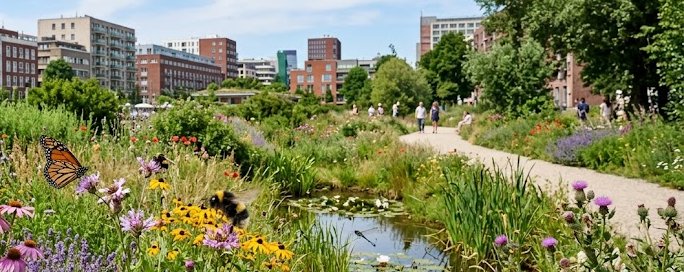
Hotels and resorts often have valuable opportunities to support local biodiversity. Trees, flowering plants, native vegetation, water bodies, habitat planting, butterfly gardens, bird-friendly landscapes and ecological zones can attract wildlife and create meaningful experiences for visitors. A guest may enjoy waking up to birdsong, seeing butterflies around flowering plants, walking through a nature trail or learning about local plant species.
When landscape design supports biodiversity, it moves beyond ornamental landscaping and contributes to environmental stewardship while creating a stronger connection between guests and the surrounding ecosystem. Particularly for eco-resorts and nature-based hospitality projects, biodiversity can become an important part of the property's identity and guest experience.
Photography and Social Media Have Changed Landscape Design
In today's digital environment, beautiful landscapes can become powerful visual assets for hospitality properties. Guests photograph and share memorable spaces through social media, creating opportunities for organic exposure. A distinctive entrance, flowering garden, water feature, shaded pathway, pergola, vertical garden, dramatic planting composition or carefully framed sunset view can become a memorable photographic location.
Landscape designers can therefore consider photography as part of the guest experience without making the landscape artificial or overly decorative. When guests voluntarily share photographs of a hotel's landscape, the garden itself can become part of the property's digital visibility and brand story. A thoughtfully designed landscape can therefore contribute not only to the physical guest experience but also to the way the property is perceived online.
Every Landscape Needs a Sense of Place
The strongest resort landscapes often have a story connected to their location. That story may come from local ecology, regional culture, indigenous plants, surrounding forests, coastal environments, traditional gardens, agriculture, water, wellness or biodiversity. A resort surrounded by natural vegetation, for example, does not necessarily need to look like a generic tropical garden imported from somewhere else.
Instead, the landscape can draw inspiration from the local environment and create a stronger sense of place. The use of regionally appropriate plants, materials, ecological characteristics and cultural references can make a property feel authentic rather than standardized. When guests feel connected to the region through the landscape, the property becomes more memorable and meaningful.
Maintenance Should Begin at the Design Stage
A landscape is not finished when planting is completed. That is when its long-term performance begins. Hotels and resorts require landscapes that can remain attractive under continuous use and changing environmental conditions. Maintenance requirements should therefore influence design decisions from the beginning.
Plant spacing, pruning requirements, irrigation accessibility, lawn selection, drainage, soil preparation, pest management, replacement strategy and access for maintenance teams should all be considered during planning. A landscape that looks impressive on opening day but becomes difficult and expensive to maintain is not a successful landscape. The real measure of landscape quality is how well it performs over time.
Professional landscape planning should therefore balance aesthetics with maintenance efficiency. Selecting plants that suit the climate, designing practical irrigation zones, providing adequate maintenance access and considering the mature size of plants can help reduce unnecessary maintenance interventions and replacement costs.
Experience-Driven Landscapes Create Long-Term Value
A well-planned hospitality landscape can contribute to many aspects of a property. It can improve first impressions, increase guest comfort, strengthen brand identity, create memorable experiences, increase the usability of outdoor spaces, support events and activities, improve privacy, enhance photography opportunities, support sustainability objectives, encourage biodiversity and reduce avoidable maintenance and replacement costs.
This is why landscaping should not be viewed simply as a construction expense. A thoughtfully designed landscape is an investment in the guest experience, operational performance, environmental responsibility and long-term value of the property. For developers and hotel operators, the question should not simply be, "How much will the landscaping cost?" It should also be, "What value will this landscape create for the property over its lifetime?"
How SR Greenscapes Approaches Hospitality Landscape Projects
At SR Greenscapes Pvt Ltd, we believe that hospitality landscapes should combine design, horticulture, science, functionality, sustainability and long-term performance. Our approach begins with understanding the site, climate, soil, topography, architecture, water availability, guest movement, outdoor activities, operational requirements and maintenance expectations of the property.
We then develop landscape solutions that are not only visually appealing but also appropriate for the site's environmental and functional conditions. Our approach emphasizes the principle of the right plant in the right place, efficient resource utilization, sustainable landscape practices and practical long-term maintenance.
SR Greenscapes can support hotel, resort, villa, commercial, institutional and large-scale landscape projects through professional site assessment, landscape planning, horticultural plant selection, sustainable landscape development, irrigation planning, landscape execution and long-term landscape maintenance. By bringing scientific horticultural knowledge into landscape development, we aim to create outdoor environments that perform beautifully beyond the opening day.
From Entrance Gardens to Complete Resort Landscapes
The future of hospitality landscaping is not simply about creating greener properties. It is about creating better experiences through landscape. An entrance should create anticipation. A pathway should invite exploration. A garden should encourage relaxation. A shaded space should provide comfort. A water feature should create tranquillity. A natural landscape should establish a connection with the surrounding environment. Every outdoor space should contribute something meaningful to the guest journey.
The difference between an ordinary landscape and an exceptional hospitality landscape lies in the thinking behind it. It is not simply about how the landscape looks; it is about how the landscape works, feels, performs and remains valuable over time.
Is Your Hotel or Resort Landscape Designed for Experience?
If you are developing a hotel, resort, boutique property, eco-resort, wellness retreat, hospitality campus, club, luxury villa development, corporate property or large commercial landscape, the landscape should be considered from the earliest stages of planning. Early integration allows the landscape to work together with architecture, infrastructure, water management, circulation, outdoor amenities and operational requirements rather than being treated as an afterthought.
At SR Greenscapes Pvt Ltd, we work with developers, architects, hospitality operators, institutions and property owners to create landscape solutions that combine aesthetics, horticultural science, sustainability, functionality and long-term performance. Our objective is not simply to create attractive outdoor spaces, but to develop landscapes that support the identity, usability, environmental performance and long-term value of the property.
If you are planning a new hotel, resort, villa development, commercial property, institutional campus or hospitality landscape, we would be pleased to discuss your project requirements and explore how landscape design can become an integral part of the property's success.
Let's Create Landscapes That Guests Remember
SR GREENSCAPES PVT LTD
Science-Driven Sustainable Landscapes
Based in Bengaluru | Pan-India Project Execution
Planning a new hotel, resort, villa, commercial, institutional or hospitality landscape?
Talk to SR Greenscapes Pvt Ltd about your project and let us transform outdoor spaces into memorable experiences.
📱 +91 9845728507
Your property deserves more than a beautiful landscape. It deserves a landscape that creates an experience.