Beyond Beauty: Why Sustainable Landscaping Is the Future of Urban India
Landscapes are not just spaces we see—they are living systems that shape how we live, breathe, and connect with nature."
India is urbanizing at an unprecedented pace. New cities are expanding, townships are emerging, commercial campuses are growing, and infrastructure projects are transforming the country's landscape. While this growth is essential for economic development, it has also brought pressing environmental challenges, including rising temperatures, deteriorating air quality, water scarcity, biodiversity loss, and frequent urban flooding.
In this changing landscape, the role of green infrastructure has never been more important.
Landscaping is no longer just about creating visually appealing gardens or ornamental spaces. Today, it is about designing resilient ecosystems that conserve resources, enhance biodiversity, improve public health, and make cities more livable. This is the essence of sustainable landscaping—a science-driven approach that goes far beyond beauty.
At SR Greenscapes Pvt. Ltd., we believe every landscape should serve a purpose. Every tree planted, every irrigation system designed, and every green space created should contribute to a healthier environment and a more sustainable future.
The Changing Face of Urban India
Urban India is experiencing one of the fastest rates of development in the world. Expanding residential communities, corporate parks, educational institutions, healthcare facilities, industrial campuses, and public infrastructure are reshaping our cities. However, rapid urbanization has often come at the expense of natural ecosystems. Large areas of vegetation have been replaced with concrete, asphalt, and buildings, reducing the natural ability of cities to regulate temperature, absorb rainwater, and support biodiversity.
The consequences are becoming increasingly visible. Cities are experiencing higher temperatures due to the urban heat island effect, frequent flooding caused by excessive surface runoff, declining groundwater levels, increased air and noise pollution, loss of native flora and fauna, and reduced public access to healthy green spaces. These challenges cannot be solved by infrastructure alone. They require nature-based solutions that integrate ecological principles into urban planning.
What Is Sustainable Landscaping?
Sustainable landscaping is the practice of designing, constructing, and maintaining landscapes that work in harmony with natural ecosystems while meeting human needs. Unlike conventional landscaping, which often prioritizes appearance alone, sustainable landscaping focuses on long-term environmental performance, resource efficiency, and ecological resilience.
A sustainable landscape is designed to conserve water, improve soil health, reduce maintenance requirements, support biodiversity, increase climate resilience, enhance human well-being, lower lifecycle costs, and create functional yet aesthetically appealing outdoor spaces. In simple terms, it is a landscape that continues to thrive while using fewer natural resources and delivering long-term environmental and economic benefits.
Why Sustainable Landscaping Matters More Than Ever
- Combating Rising Urban Temperatures
One of the greatest environmental concerns facing Indian cities today is the Urban Heat Island effect. Concrete, glass, and asphalt absorb and retain heat, making urban areas significantly warmer than surrounding rural regions. This leads to higher energy consumption, reduced outdoor comfort, and increased heat-related health risks.
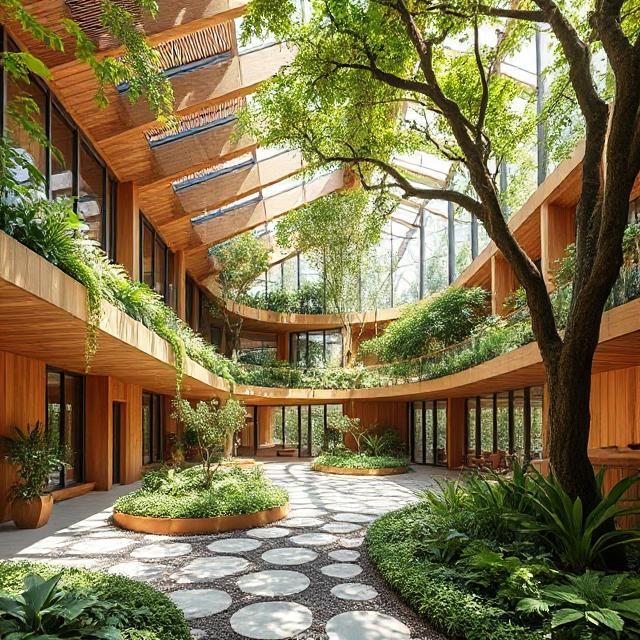
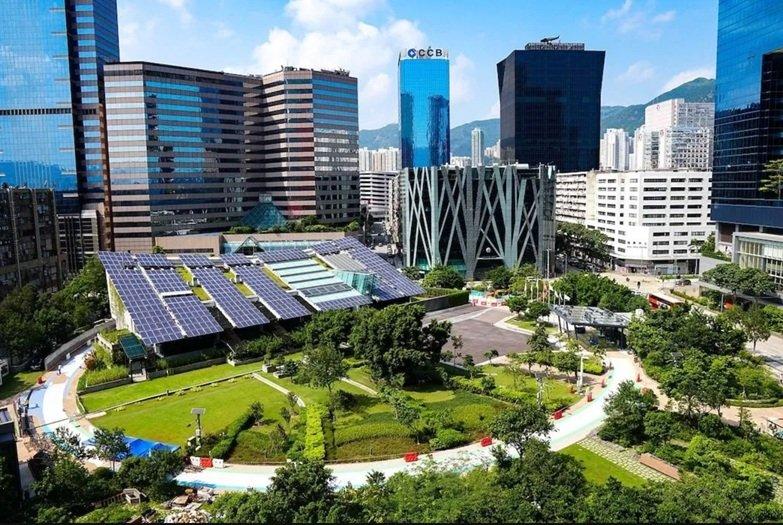
Strategically designed landscapes help counter these effects by increasing tree canopy cover, creating shaded pedestrian pathways, introducing green roofs and vertical gardens, planting climate-appropriate vegetation, and enhancing natural air circulation. Together, these measures naturally cool urban environments and improve overall comfort.
- Conserving Every Drop of Water
Water is becoming one of India's most precious natural resources. Traditional landscapes often consume excessive amounts of water, especially when unsuitable plant species and inefficient irrigation methods are used.
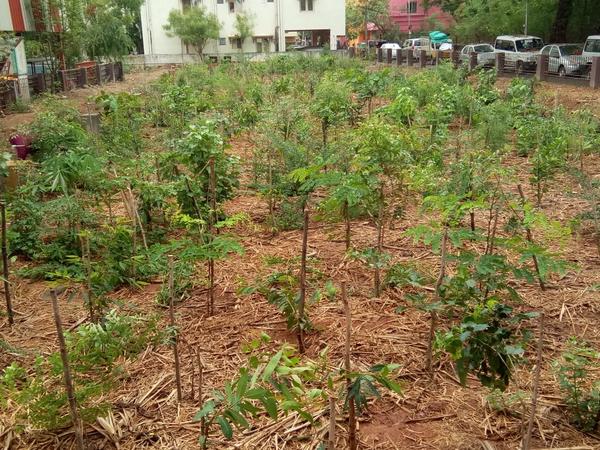
Sustainable landscaping addresses this challenge through efficient water management practices such as drip irrigation, smart irrigation controllers, rainwater harvesting, soil moisture monitoring, mulching to reduce evaporation, and the use of drought-tolerant plant species. These practices significantly reduce water consumption while lowering long-term operational costs.
- Restoring Biodiversity in Cities
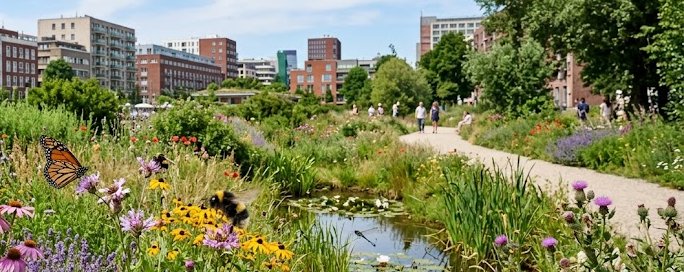
Rapid urban development has fragmented natural habitats, making survival increasingly difficult for birds, butterflies, bees, and many beneficial insects. Sustainable landscaping helps restore ecological balance by incorporating native trees, flowering shrubs, pollinator-friendly plants, and diverse planting strategies.
These landscapes create valuable habitats that support local biodiversity while encouraging natural pollination and biological pest control, ultimately strengthening urban ecosystems.
- Improving Air Quality
Plants serve as nature's own air purification system. Trees and shrubs capture airborne dust, absorb harmful pollutants, sequester carbon dioxide, and release oxygen into the atmosphere.
Green corridors, urban forests, and well-planned landscapes play a vital role in reducing pollution levels while creating healthier environments for people to live, work, and recreate.
- Managing Stormwater Naturally
Urban flooding has become increasingly common due to the replacement of natural land surfaces with impermeable materials such as concrete and asphalt.
Sustainable landscapes naturally manage stormwater by incorporating rain gardens, bioswales, permeable paving, vegetated drainage channels, constructed wetlands, and groundwater recharge systems. These solutions reduce surface runoff, improve water infiltration, and lessen the burden on municipal drainage infrastructure.
- Improving Human Health and Well-being
The benefits of green spaces extend well beyond environmental sustainability. Numerous studies have shown that access to natural environments helps reduce stress, improve mental health, encourage physical activity, enhance productivity, strengthen social interactions, and improve overall quality of life.
Whether in hospitals, schools, workplaces, or residential communities, thoughtfully designed landscapes create healthier, happier, and more vibrant environments for people.
- Lower Lifecycle Costs
Many people assume sustainable landscaping is more expensive than traditional approaches. In reality, it often proves more economical over the long term.
Careful plant selection, efficient irrigation systems, improved soil management, and preventive maintenance reduce water usage, fertilizer requirements, pest management costs, plant replacement expenses, and labour-intensive maintenance. As a result, sustainable landscapes deliver lasting economic value while maintaining high environmental performance.
Science Is the Foundation of Sustainable Landscaping
Successful landscapes do not happen by chance. Every site possesses unique characteristics that influence its long-term performance and sustainability. Scientific landscaping begins with a comprehensive understanding of site conditions, including topography, existing vegetation, soil characteristics, drainage patterns, microclimate, rainfall, temperature, wind direction, sunlight availability, accessibility, user movement, safety considerations, maintenance requirements, and future expansion plans.
Only after carefully evaluating these factors can landscape professionals develop designs that function efficiently, remain resilient, and continue delivering environmental benefits for decades.
The Importance of Native and Climate-Appropriate Plants
Choosing the right plant species is one of the most critical decisions in landscape design. Native and regionally adapted plants generally offer better survival rates, require less irrigation, experience fewer pest problems, and demonstrate greater resilience under local climatic conditions.
Rather than forcing unsuitable species into challenging environments, sustainable landscaping works with nature by selecting plants that naturally thrive in local ecosystems, ensuring healthier landscapes with lower maintenance requirements.
Technology Is Transforming Modern Landscapes
Technology has become an integral part of sustainable landscape development. Modern projects increasingly incorporate smart irrigation automation, weather-based controllers, soil moisture sensors, GIS-based planning, drone-assisted site surveys, water-efficient irrigation systems, and sustainable lighting technologies.
These innovations enable more precise resource management, improve operational efficiency, reduce environmental impact, and support data-driven decision-making throughout the landscape lifecycle.
Sustainable Landscaping Across Different Sectors
The principles of sustainable landscaping can be successfully applied across a wide range of developments. Residential communities benefit from healthier neighbourhoods featuring parks, gardens, and shaded public spaces. Corporate campuses enhance employee well-being while reducing maintenance and water costs. Educational institutions create greener learning environments that foster environmental awareness. Healthcare facilities develop therapeutic landscapes that support patient recovery and mental wellness. Government infrastructure projects build climate-resilient public spaces that serve communities for generations, while hospitality and tourism developments create memorable outdoor experiences with minimal ecological impact.
The SR Greenscapes Approach
At SR Greenscapes Pvt. Ltd., sustainability is not an added feature—it forms the foundation of every project we undertake. Our multidisciplinary team combines horticultural science, landscape planning, engineering expertise, and practical execution to develop outdoor environments that are functional, resilient, and environmentally responsible.
Our services include landscape planning and master planning, landscape design and execution, scientific plant selection, nursery and horticultural solutions, irrigation system design and installation, water-efficient landscape management, landscape maintenance, ecological restoration, green infrastructure development, and environmental consultancy. Every project is approached with careful planning, technical expertise, and a commitment to long-term sustainability.
Looking Ahead: The Future Is Green
As India moves toward smarter, healthier, and more climate-resilient cities, sustainable landscaping will play an increasingly important role in urban development. Green spaces are no longer decorative additions; they are essential infrastructure that supports environmental health, economic resilience, and community well-being.
The landscapes we create today will shape the quality of life for future generations. By embracing sustainable landscaping, we invest in cleaner air, healthier ecosystems, responsible water management, enhanced biodiversity, and more resilient cities capable of meeting tomorrow's environmental challenges.
Conclusion
Sustainable landscaping is about much more than creating attractive outdoor spaces. It is about designing living environments that work in harmony with nature while addressing the evolving needs of modern cities. By integrating ecological principles, scientific planning, resource-efficient technologies, and thoughtful design, sustainable landscapes provide lasting environmental, economic, and social value.
At SR Greenscapes Pvt. Ltd., we are proud to contribute to this vision by delivering science-driven, environmentally responsible landscape solutions that balance beauty, functionality, and sustainability. As urban India continues to grow, the future belongs to landscapes that are resilient, resource-efficient, and designed with purpose—because the best landscapes don't simply look beautiful; they make our cities healthier, stronger, and more sustainable.
About SR Greenscapes Pvt. Ltd.
SR Greenscapes Pvt. Ltd. is a leading landscape and horticulture company specializing in sustainable landscape design, execution, irrigation systems, horticultural consultancy, nursery solutions, landscape maintenance, and green infrastructure development. Guided by scientific principles and a commitment to environmental stewardship, we create outdoor spaces that are aesthetically appealing, ecologically responsible, and built to thrive for generations.