Beyond Decoration: How Indoor Landscaping Creates Healthier, Happier and More Productive Spaces
Indoor spaces are where we spend most of our lives. Whether at home, in the workplace, hospitals, educational institutions, hotel, or commercial buildings, people today spend nearly 90% of their time indoors. While modern architecture has evolved to create aesthetically pleasing and technologically advanced interiors, it has often distanced people from nature. This disconnect has contributed to increased stress, reduced well-being, poor indoor air quality and lower productivity. Indoor landscaping bridges this gap by integrating living plants and natural elements into built environments, transforming interiors into healthier, more vibrant and functional spaces.
At SR Greenscapes Pvt. Ltd., we believe indoor landscaping is much more than placing a few decorative plants in a room. It is the thoughtful integration of horticultural science, landscape design, environmental psychology and sustainable practices to create indoor environments that enhance physical health, mental well-being and overall quality of life.
The Growing Importance of Indoor Landscaping
Urbanization has dramatically changed the way people interact with nature. High-rise apartments, office complexes, shopping malls and institutional buildings often have limited access to natural green spaces. Indoor landscaping offers an effective solution by bringing nature closer to people without requiring extensive outdoor areas.
Scientific studies have consistently demonstrated that exposure to greenery positively influences human health. The concept of biophilic design-designing spaces that strengthen the human connection with nature- has gained global recognition. Indoor landscaping forms one of its most practical and impactful applications, helping create environments where people feel calmer, healthier, and more connected.
Improving Indoor Air Quality
One of the most significant benefits of indoor landscaping is its contribution to healthier indoor air. Indoor environments often contain pollutants released from furniture, paints, carpets, cleaning products, electronics and air-conditioning systems. These pollutants can affect respiratory health and contribute to headaches, fatigue, and discomfort.
Plants naturally absorb carbon dioxide while releasing oxygen during photosynthesis. Many indoor plant species also help remove volatile organic compounds (VOCs) and capture airborne dust particles, contributing to cleaner indoor environments. Although plants should not be viewed as a replacement for proper ventilation and air filtration systems, they can complement these systems by creating fresher and more pleasant indoor spaces.
Enhancing Mental Health and Emotional Well-being
The presence of greenery has a profound influence on psychological health. Numerous studies have shown that people surrounded by plants experience lower levels of stress and anxiety while reporting greater feelings of relaxation and happiness.
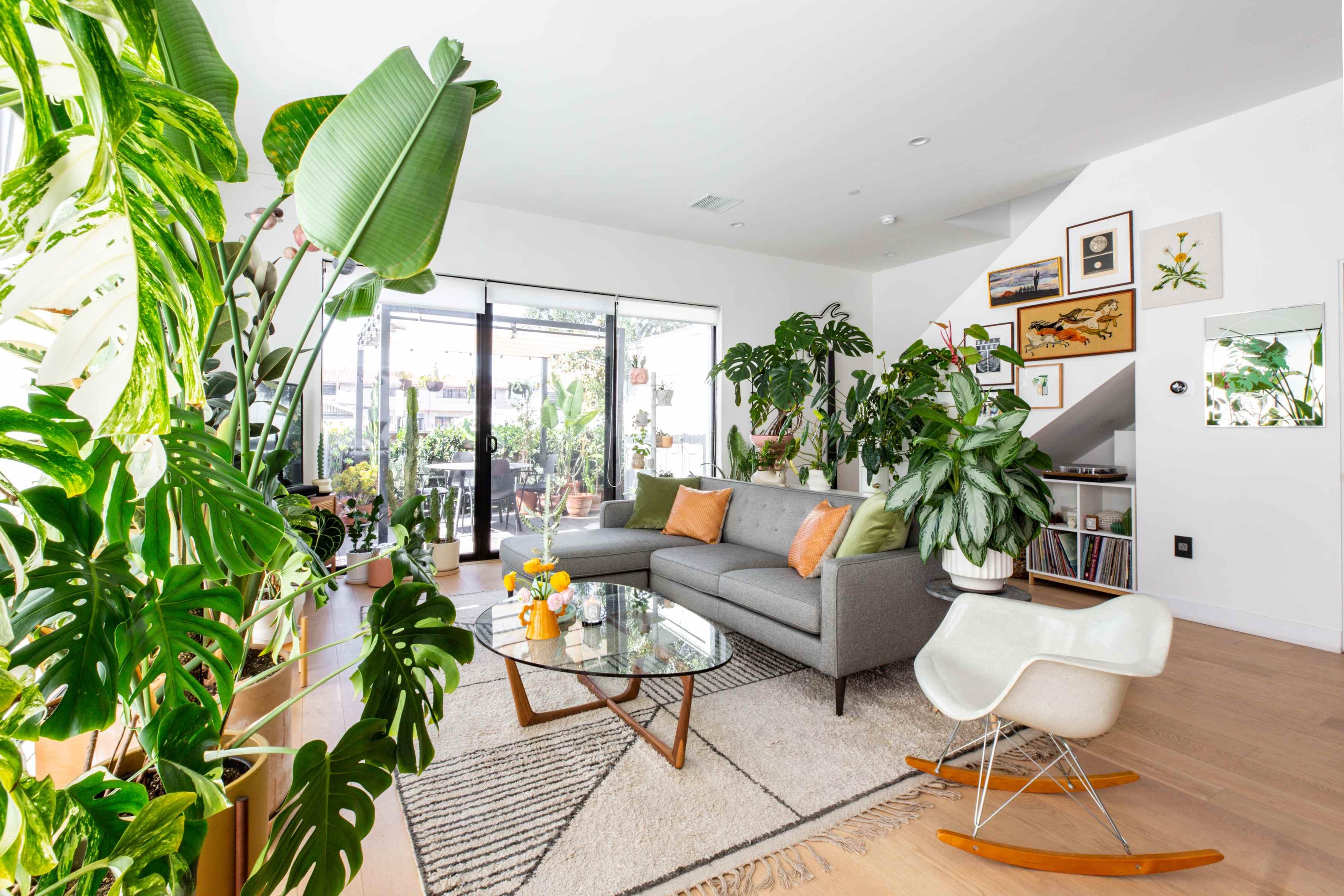
Natural elements help reduce mental fatigue, promote emotional balance and create a calming atmosphere. In homes, indoor plants contribute to peaceful living environments. In hospitals, they can improve patient comfort and satisfaction. In educational institutions, greenery supports positive learning environments. Across all settings, indoor landscaping helps people feel more relaxed and emotionally refreshed.
Increasing Workplace Productivity
Modern workplaces are increasingly recognizing that employee well-being directly influences organizational performance. Indoor landscaping has become an essential component of healthy office design because it contributes to improved concentration, creativity and job satisfaction.
Green office environments reduce visual fatigue associated with prolonged screen use while providing a refreshing visual break throughout the workday. Employees working in naturally enriched environments often report higher motivation, better focus and improved workplace satisfaction. Indoor landscaping also creates welcoming reception areas and meeting spaces that leave positive impressions on clients and visitors.
Supporting Better Indoor Comfort
Indoor plants influence the indoor environment in several subtle yet meaningful ways. Through the natural process of transpiration, plants release moisture into the air, which can help maintain comfortable humidity levels in air-conditioned spaces. Greenery also softens hard architectural features, reduces visual monotony and creates interiors that feel warm and inviting.
Thoughtfully designed indoor landscapes improve spatial balance by introducing varying heights, textures and colors, making interiors more dynamic without overwhelming the architecture.
Strengthening Corporate Image and Brand Identity
Businesses today are increasingly evaluated not only by their products and services but also by the environments they create. Offices, hotels, hospitals, retail stores and corporate campuses with professionally designed indoor landscapes communicate a strong commitment to employee well-being, sustainability and quality.
A well-maintained green interior creates memorable first impressions, reflects professionalism and enhances brand value. Clients, employees and visitors often associate green spaces with organizations that care about environmental responsibility and people-centric design.
Promoting Sustainable Living
Indoor landscaping contributes to broader sustainability goals by encouraging greater environmental awareness within buildings. Selecting appropriate plant species, using water-efficient irrigation systems where necessary, incorporating recyclable containers and adopting sustainable maintenance practices all support responsible resource management.
When combined with natural lighting, energy-efficient building design and environmentally friendly materials, indoor landscaping becomes an integral component of sustainable green infrastructure.
Choosing the Right Plants Matters
Successful indoor landscaping depends on selecting plant species suited to specific indoor conditions. Factors such as light availability, humidity, temperature, air circulation, maintenance requirements and intended purpose all influence plant selection.
Species commonly used in indoor landscapes include Snake Plant, ZZ Plant, Peace Lily, Areca Palm, Spider Plant, Rubber Plant, Philodendron, Aglaonema, Dracaena, Monstera, and Pothos. Each offers unique aesthetic qualities and adapts differently to indoor environments. Professional planning ensures that plants remain healthy, attractive, and easy to maintain over the long term.
Indoor Landscaping Is More Than Plant Placement
Effective indoor landscaping involves far more than arranging potted plants. It requires careful planning, scientific plant selection, appropriate container design, lighting considerations, irrigation planning, drainage management, maintenance scheduling, and integration with the overall interior architecture.
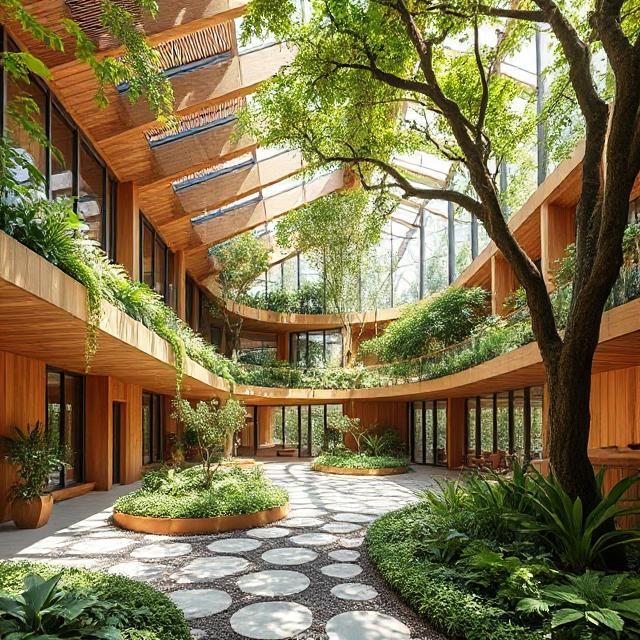
Features such as living green walls, indoor courtyards, moss installations, decorative planters, vertical gardens, water features and seasonal plant displays can be incorporated to create visually engaging and functional interiors tailored to the needs of each space.
The SR Greenscapes Approach
At SR Greenscapes Pvt. Ltd., we combine horticultural expertise, scientific planning, and innovative design to create indoor landscapes that are both beautiful and functional. Every project begins with a detailed assessment of the site, lighting conditions, environmental factors, and client requirements. Our team carefully selects plant species, designs aesthetically harmonious layouts and develops maintenance strategies that ensure long-term success.
Whether designing indoor landscapes for residences, corporate offices, hospitality projects, healthcare facilities, educational institutions or commercial developments, our goal is to create living environments that enhance well-being while reflecting sustainability and professional excellence.
Conclusion
Indoor landscaping has evolved from a decorative feature into an essential element of modern interior design. It improves indoor environmental quality, supports physical and mental well-being, enhances productivity, strengthens corporate identity, and contributes to sustainable living. As cities continue to grow and indoor lifestyles become increasingly common, integrating nature into built environments is no longer a luxury- it is a necessity.
By combining science, sustainability, and thoughtful design, indoor landscaping transforms ordinary interiors into healthier, happier and more productive spaces. Investing in professionally designed indoor landscapes is an investment in people, performance, and the future of sustainable living.