How Climate-Responsive Landscaping Saves Water, Reduces Maintenance Costs, and Creates Sustainable Green Spaces
How Climate-Responsive Landscaping Saves Water, Reduces Maintenance Costs, and Creates Sustainable Green Spaces
In today’s changing climate, landscapes can no longer be designed solely for visual appeal. Outdoor spaces must now be resilient, resource-efficient, and environmentally responsible. Rising temperatures, irregular rainfall patterns, water scarcity, and increasing maintenance demands are changing the way landscapes are planned and managed. Climate-responsive landscaping offers a practical and sustainable approach by creating landscapes that work with nature rather than against it.
At SR Greenscapes Pvt Ltd, we believe a landscape should be more than a beautiful outdoor space. A thoughtfully designed landscape should conserve natural resources, reduce operational costs, and create healthier environments for both people and ecosystems. Climate-responsive landscaping helps achieve this balance by integrating sustainable design principles with long-term functionality.
What is Climate-Responsive Landscaping?
Climate-responsive landscaping is an approach that designs outdoor environments based on local environmental conditions such as climate, rainfall patterns, temperature, soil characteristics, wind movement, and water availability. Rather than following a one-size-fits-all design model, these landscapes are carefully planned to adapt naturally to their surroundings.
The objective is simple: create attractive and functional landscapes that require less water, fewer inputs, and lower maintenance while maintaining long-term beauty and performance. A climate-responsive landscape not only survives local conditions but thrives within them.
Why Climate-Responsive Landscaping Matters Today
Modern residential communities, villas, institutions, commercial campuses, and urban developments increasingly face challenges related to water availability and maintenance efficiency. Water costs continue to rise, urban heat conditions are becoming more severe, and maintaining traditional high-input landscapes often becomes expensive over time.
Conventional landscapes frequently rely on large lawn areas, excessive irrigation, and intensive maintenance practices. While these landscapes may initially appear attractive, they often demand significant resources to sustain them. In contrast, climate-responsive landscapes provide a practical and long-term solution by creating environments that naturally adapt to changing conditions.
How Climate-Responsive Landscapes Save Water
One of the primary benefits of climate-responsive landscaping is improved water efficiency. Smart landscape planning begins with selecting plant species that are naturally suited to local conditions. Drought-tolerant and climate-adapted trees, shrubs, ornamental plants, and groundcovers generally require significantly less irrigation than species introduced from unsuitable environments. These plants typically establish better, survive longer, and reduce replacement costs.
Efficient irrigation systems also play a major role in water conservation. Traditional watering methods can lead to considerable water loss through evaporation and runoff. Modern approaches such as drip irrigation systems, automated irrigation scheduling, moisture-based controls, and zoned watering help deliver water directly to plant root zones only when required. This ensures optimal water use while minimizing waste.
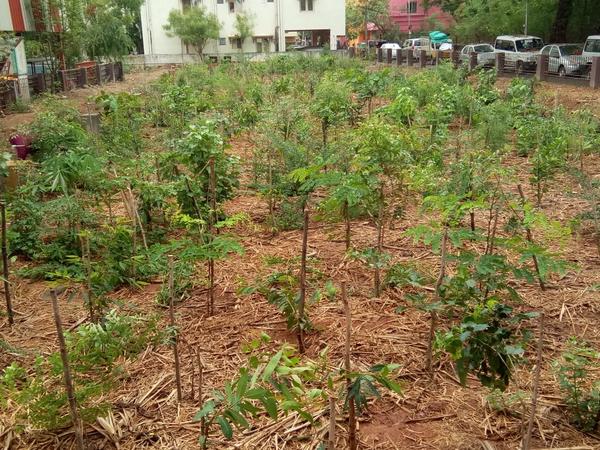
Soil health is another important factor in water management. Healthy soils naturally retain moisture and support stronger plant growth. Applying mulch around plants reduces evaporation, regulates soil temperature, suppresses weeds, and improves overall soil conditions. Simple practices such as mulching can significantly reduce irrigation frequency while improving plant performance.
Climate-responsive landscapes also incorporate natural water management techniques. Rain gardens, bioswales, water harvesting systems, and permeable paving help capture and utilize rainwater instead of allowing it to become runoff. These solutions reduce dependency on external water sources while improving environmental sustainability.
Reducing Maintenance Costs Through Smarter Design
Landscape installation costs are often considered during project planning, but long-term maintenance expenses can be equally significant. Climate-responsive landscapes are designed to reduce recurring costs through efficient planning and plant selection.
Reduced irrigation requirements naturally lower water bills. Plants selected according to climate conditions typically experience fewer failures and require less replacement over time. Well-designed landscapes also reduce labor requirements by minimizing mowing, excessive pruning, and constant maintenance activities.
Healthier and climate-adapted landscapes are generally more resilient to pest and disease problems. As a result, they often require fewer chemical treatments and interventions. Over time, these combined savings can substantially reduce annual landscape management expenses.
Beyond Cost Savings: Environmental Benefits
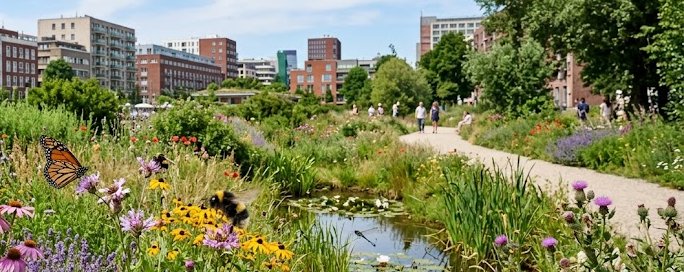
The benefits of climate-responsive landscaping extend beyond water conservation and maintenance reduction. Sustainable landscapes support biodiversity by creating habitats for birds, pollinators, and beneficial insects. They also contribute to reducing urban heat effects, improving air quality, and minimizing soil erosion.
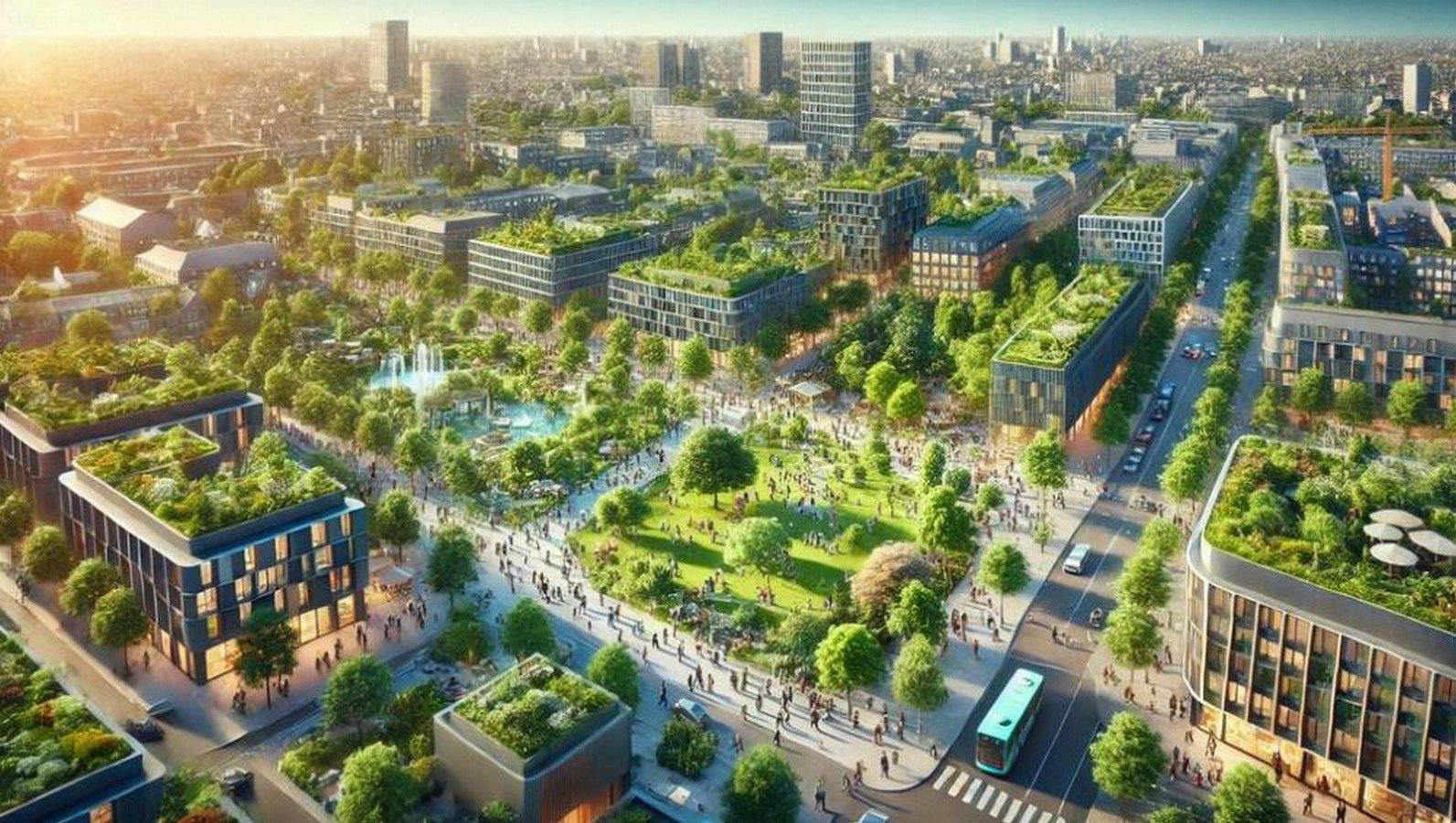
Thoughtfully designed green spaces improve environmental quality while creating healthier and more comfortable surroundings for people. As urban areas continue to grow, sustainable landscape practices will become increasingly important in maintaining ecological balance.
The Future of Landscaping is Sustainable
Climate-responsive landscaping is not simply a temporary trend; it represents the future of responsible landscape design. As environmental conditions continue to evolve, landscapes must move beyond decorative purposes and become smarter, adaptive systems that provide long-term value.
At SR Greenscapes Pvt Ltd, we are committed to designing and creating landscapes that combine innovation, sustainability, and functionality. Whether for villas, residential communities, institutions, or commercial developments, our goal is to create outdoor environments that conserve resources, reduce maintenance requirements, and thrive naturally over time.
Designing Landscapes for Today. Sustaining Nature for Tomorrow.
SR Greenscapes Pvt Ltd
Creating Sustainable Green Spaces Through Smart Landscape Solutions.