How Vertical Gardens Improve Urban Living: The Smart Solution for Greener, Healthier, and More Sustainable Cities
As cities continue to expand, the demand for sustainable and innovative landscaping solutions has never been greater. Rapid urbanization has resulted in shrinking green spaces, increasing air pollution, rising temperatures, and declining biodiversity. Concrete buildings and paved surfaces dominate modern cityscapes, leaving little room for traditional gardens. In this challenging urban environment, vertical gardens have emerged as one of the most effective ways to reintroduce nature into everyday life. By transforming unused walls into lush, living landscapes, vertical gardens improve environmental quality, enhance architectural beauty, and create healthier spaces for people to live and work. They are not merely decorative installations but practical green infrastructure that supports sustainable urban development.
What is a Vertical Garden?
A vertical garden, commonly known as a green wall or living wall, is a system where plants are cultivated vertically on specially designed structures attached to walls or freestanding frames. Unlike conventional gardens that require large horizontal spaces, vertical gardens maximize unused vertical surfaces, making them ideal for cities where land availability is limited. These systems can accommodate a diverse range of ornamental plants, flowering species, ferns, herbs, vegetables, and native plants, depending on the design objectives and environmental conditions. Modern vertical gardens often incorporate automated irrigation and drainage systems, ensuring efficient water use and healthy plant growth while minimizing maintenance requirements.
A Natural Solution for Cleaner Air
One of the most significant benefits of vertical gardens is their ability to improve air quality. Plants naturally absorb carbon dioxide and release oxygen through photosynthesis, creating a healthier atmosphere. In addition, the dense foliage captures airborne dust particles and filters harmful pollutants such as nitrogen oxides, sulfur dioxide, and volatile organic compounds (VOCs) produced by vehicles and industries. In densely populated urban areas where pollution levels are high, vertical gardens act as natural air purifiers, contributing to cleaner surroundings and promoting better respiratory health for residents and workers alike.
Reducing Urban Heat and Enhancing Energy Efficiency
Urban areas often experience the Urban Heat Island Effect, where buildings, roads, and pavements absorb and retain heat, causing city temperatures to be considerably higher than nearby rural areas. Vertical gardens help combat this issue by shading building walls from direct sunlight and cooling the surrounding air through evapotranspiration. This natural cooling effect reduces indoor temperatures, thereby lowering the demand for air conditioning and reducing energy consumption. The additional insulation provided by green walls also helps maintain comfortable indoor temperatures during colder months, resulting in improved energy efficiency and lower utility costs throughout the year.
Supporting Health and Well-being
Access to greenery has been scientifically proven to improve physical and mental health. Vertical gardens create visually appealing environments that reduce stress, anxiety, and mental fatigue while enhancing concentration, creativity, and overall well-being. In workplaces, they contribute to improved employee productivity and job satisfaction. In hospitals, they create calming environments that support patient recovery, while in schools, they encourage better learning experiences. By bringing nature closer to people, vertical gardens help create healthier and more enjoyable urban environments where individuals can thrive despite living in densely populated cities.
Minimizing Noise Pollution
Noise pollution is an unavoidable challenge in most urban areas, resulting from heavy traffic, construction activities, and industrial operations. Vertical gardens serve as effective natural sound barriers by absorbing and diffusing sound waves through their foliage and growing media. This acoustic insulation creates quieter indoor and outdoor environments, making green walls particularly beneficial for offices, educational institutions, residential complexes, healthcare facilities, and hotels. The reduction in ambient noise contributes to greater comfort, improved concentration, and enhanced quality of life.
Making the Best Use of Limited Urban Space
One of the greatest strengths of vertical gardens is their ability to introduce greenery without occupying valuable ground space. As cities continue to grow vertically, available land for conventional landscaping becomes increasingly scarce. Vertical gardens make productive use of walls, balconies, terraces, building facades, and boundary structures, allowing even the smallest urban spaces to support abundant vegetation. This efficient utilization of space enables architects, developers, and homeowners to incorporate sustainable landscaping into projects where traditional gardens are not feasible.
Enhancing Biodiversity in Urban Areas
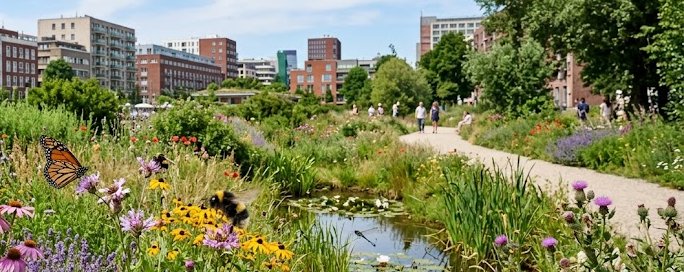
Although urban development often reduces natural habitats, vertical gardens provide valuable shelter and food sources for birds, butterflies, bees, and other beneficial pollinators. By incorporating native flowering plants and diverse vegetation, living walls contribute to urban biodiversity and help restore ecological balance within cities. These green spaces create miniature ecosystems that support pollinator populations, encourage ecological connectivity, and contribute to healthier urban environments. Even small vertical gardens can make meaningful contributions to biodiversity conservation.
Improving Building Aesthetics and Property Value
Vertical gardens dramatically enhance the appearance of residential, commercial, and institutional buildings. Their vibrant greenery softens the harsh appearance of concrete structures and creates visually striking architectural features that leave lasting impressions. Beyond aesthetics, well-designed green walls can increase property value, improve corporate image, attract customers, and strengthen environmental branding. Businesses increasingly incorporate vertical gardens into office buildings, hotels, shopping centers, and restaurants to create welcoming spaces while demonstrating their commitment to sustainability.
Promoting Sustainable Urban Development
Sustainable cities require innovative solutions that address environmental challenges while improving the quality of life for residents. Vertical gardens contribute directly to sustainable urban development by reducing pollution, lowering energy consumption, managing stormwater, enhancing biodiversity, and improving human well-being. Their ability to combine environmental, economic, and social benefits makes them an essential component of green infrastructure. As governments and urban planners focus more on climate resilience and sustainable design, vertical gardens are becoming an increasingly important feature of future-ready cities.
Why Choose SR Greenscapes Pvt Ltd for Vertical Gardens?
At SR Greenscapes Pvt Ltd, we believe that every wall holds the potential to become a living masterpiece. Our team combines scientific knowledge, horticultural expertise, and innovative landscape design to create customized vertical gardens that are visually stunning, environmentally sustainable, and easy to maintain. From residential homes and apartments to corporate offices, educational institutions, hospitals, hotels, and public spaces, we provide complete solutions that include site assessment, design, plant selection, automated irrigation systems, professional installation, and long-term maintenance. Every project is carefully tailored to suit the client's vision, available space, climatic conditions, and sustainability goals, ensuring exceptional results that last for years.
Conclusion
Vertical gardens are far more than an architectural trend—they represent a transformative approach to building healthier, greener, and more sustainable cities. By improving air quality, reducing urban temperatures, conserving energy, minimizing noise pollution, supporting biodiversity, and enhancing human well-being, they address many of the environmental challenges associated with modern urban living. As cities continue to expand and available land becomes increasingly limited, integrating greenery into vertical spaces offers a practical and forward-thinking solution for creating resilient urban environments.
At SR Greenscapes Pvt Ltd, we are committed to transforming ordinary walls into extraordinary living landscapes through science-driven, sustainable landscaping solutions. Whether you are planning to enhance your home, office, commercial property, educational campus, or public infrastructure, our customized vertical garden solutions are designed to create greener spaces that inspire, protect the environment, and improve everyday life.
Transform your walls into living ecosystems with SR Greenscapes Pvt Ltd—because the future of urban living is green, sustainable, and beautifully vertical. 🌿