The Science of Therapeutic Gardens: Designing Landscapes for Healing and Well-Being
A garden can be beautiful. It can also be purposeful.
When thoughtfully designed, a landscape can provide more than visual appeal- it can create opportunities for relaxation, sensory engagement, movement, social interaction, connection with nature and everyday restoration. This is the foundation of a therapeutic garden: a landscape intentionally designed to support human well-being.
At SR Greenscapes Pvt Ltd, we believe that landscape design should go beyond decoration. Plants, space, light, shade, textures, movement, water and circulation can be brought together through a science-driven approach to create landscapes that support healthier and more meaningful experiences.
What Is a Therapeutic Garden?
A therapeutic garden is a deliberately designed outdoor environment intended to support the physical, psychological, social and sensory well-being of its users.
Unlike a conventional ornamental garden, a therapeutic garden begins with the needs of the people who will use the space. Its design considers accessibility, safety, sensory experience, planting, movement, seating, microclimate, privacy and opportunities for interaction with nature.
Therapeutic gardens can be developed in a wide range of settings, including healthcare facilities, rehabilitation centres, senior living communities, schools, workplaces, residential developments, wellness centres and community spaces.
The objective is not simply to create a garden that looks attractive. It is to create an environment that encourages positive human experiences.
Why Does Nature Matter for Well-Being?
Human beings have a long-standing relationship with natural environments. Contemporary research in environmental psychology, landscape architecture, horticulture and public health continues to investigate how exposure to natural environments may influence stress, mood, attention, physical activity and social interaction.
Natural settings can provide opportunities to step away from highly stimulating built environments. The presence of vegetation, natural textures, changing light, seasonal growth, birds, fragrance and gentle movement can create a richer sensory environment.
A therapeutic landscape therefore uses nature not merely as a visual background, but as an important component of the experience of the space.
The Science Behind Therapeutic Landscape Design
Therapeutic garden design draws upon multiple disciplines. Landscape architecture provides spatial planning and environmental design; horticulture contributes plant knowledge and cultivation; environmental psychology examines relationships between people and their surroundings; and healthcare and public-health perspectives help identify user needs.
Several design mechanisms are particularly important.
- Stress Reduction and Restoration
One of the central ideas behind therapeutic landscapes is restoration.
A carefully designed garden can provide a setting where people can pause, observe nature, sit quietly or engage in gentle activities. Views of vegetation and natural elements may help create a calmer environment and provide a psychological break from demanding surroundings.
The design should therefore avoid unnecessary visual clutter and provide comfortable areas where users can experience nature at their own pace.
- Sensory Engagement
Plants offer an extraordinary range of sensory experiences.
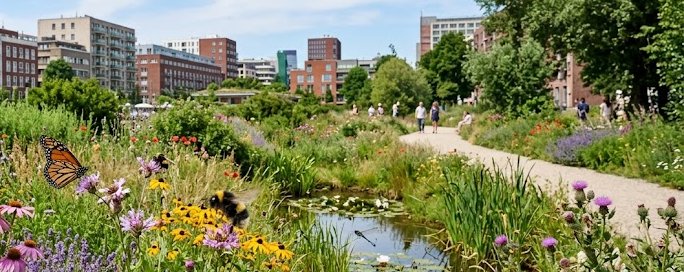
Leaves differ in colour, form, texture, movement and sound. Flowers introduce seasonal colour and fragrance. Certain plants attract butterflies and birds, adding movement and ecological interest to the landscape.
A well-planned therapeutic garden can incorporate sight, sound, touch, smell and sometimes taste through carefully selected plant material and landscape elements.
However, sensory planting should always be appropriate for the intended users. Strong fragrances, thorny plants, irritating foliage, poisonous species or plants that create allergy concerns may be unsuitable in particular settings.
- Connection With Nature
A therapeutic garden creates opportunities for people to experience nature directly.
Watching new leaves emerge, observing flowering cycles, touching foliage, listening to birds or simply spending time beneath a tree can create a sense of connection with living systems.
This connection can become particularly meaningful in environments where people spend much of their time indoors.
- Movement and Physical Activity
A therapeutic garden does not necessarily need to be a passive space.
Paths can encourage walking. Raised planting beds can support gardening activities. Open lawns can provide space for gentle movement, while shaded seating areas allow users to rest.
Good design provides different levels of physical engagement, allowing users to choose between walking, gardening, observing, socialising, or simply sitting.
- Social Interaction
Well-being is not only an individual experience.
Gardens can create opportunities for conversation, family interaction, group activities, outdoor learning and community engagement. Seating arrangements, gathering spaces, shaded areas and accessible paths can encourage people to use the landscape together.
A therapeutic garden can therefore function as both a personal retreat and a social environment.
Designing for Different Users
There is no universal therapeutic garden.
A garden designed for a hospital may have very different requirements from one designed for a school, senior living community, rehabilitation centre or workplace.
The first question should therefore be:
Who is the garden for?
Design considerations may include:
Age of users
Physical mobility
Sensory abilities
Cognitive requirements
Safety requirements
Cultural preferences
Climate
Maintenance capacity
Accessibility
Expected duration of use
Level of supervision
Activities planned within the garden
Understanding the user before selecting plants or landscape features is one of the most important principles of therapeutic landscape design.
Accessibility: Designing Gardens for Everyone
A therapeutic garden should be welcoming and usable by people with different physical abilities.
Paths should be planned with appropriate widths, surfaces, gradients and turning spaces. Seating should be positioned at convenient intervals. Changes in level should be carefully addressed and circulation routes should be easy to understand.
Raised beds and accessible planting areas can allow people with limited mobility to participate in gardening activities.
Accessibility should not be treated as an additional feature added at the end of the project. It should be integrated into the design from the beginning.
The Role of Plants in Therapeutic Gardens
Plant selection is one of the most important aspects of a therapeutic landscape.
The right plant is not necessarily the most exotic or visually striking plant. It is the plant that performs appropriately for the site, climate, users, purpose and maintenance conditions.
Plant selection can consider:
Colour: Seasonal flowers and foliage can introduce visual variety and help create distinct garden experiences.
Texture: Fine, medium and bold foliage can create contrasting sensory experiences and improve visual depth.
Fragrance: Fragrant plants can provide an additional sensory dimension, particularly when positioned thoughtfully along accessible paths or near seating areas.
Movement: Plants that respond to wind can introduce gentle movement and visual dynamism.
Habitat Value: Plants that support butterflies, birds, bees, and other beneficial organisms can make the garden more ecologically engaging.
Edibility: In appropriate settings, edible plants, herbs, vegetables and fruiting species can support gardening and educational activities.
Seasonal Change: A garden that changes throughout the year can encourage users to observe natural cycles rather than presenting an unchanging landscape.
Plant Safety Is Essential
Therapeutic does not mean that every attractive plant belongs in a therapeutic garden.
Plant selection should consider toxicity, thorns, irritating sap, allergenic potential, invasive behaviour, fruit drop, slippery surfaces, falling branches and maintenance requirements.
In healthcare, educational and elderly-care environments, safety becomes particularly important.
A beautiful plant is not automatically an appropriate plant.
Professional horticultural knowledge is therefore essential when preparing a therapeutic planting palette.
Water, Shade and Microclimate
The physical comfort of a garden strongly influences how people use it.
In warm climates, shade trees, pergolas, appropriate planting and carefully planned seating can make outdoor spaces considerably more comfortable.
Water features may introduce sound, reflection, movement and visual interest. However, they also require careful consideration of hygiene, maintenance, mosquito management, child safety and water conservation.
Therapeutic landscape design should therefore respond to the local climate and microclimate, rather than copying a design from another region.
Creating Quiet Spaces
Not every part of a therapeutic garden needs to be active.
Some areas should be intentionally quiet.
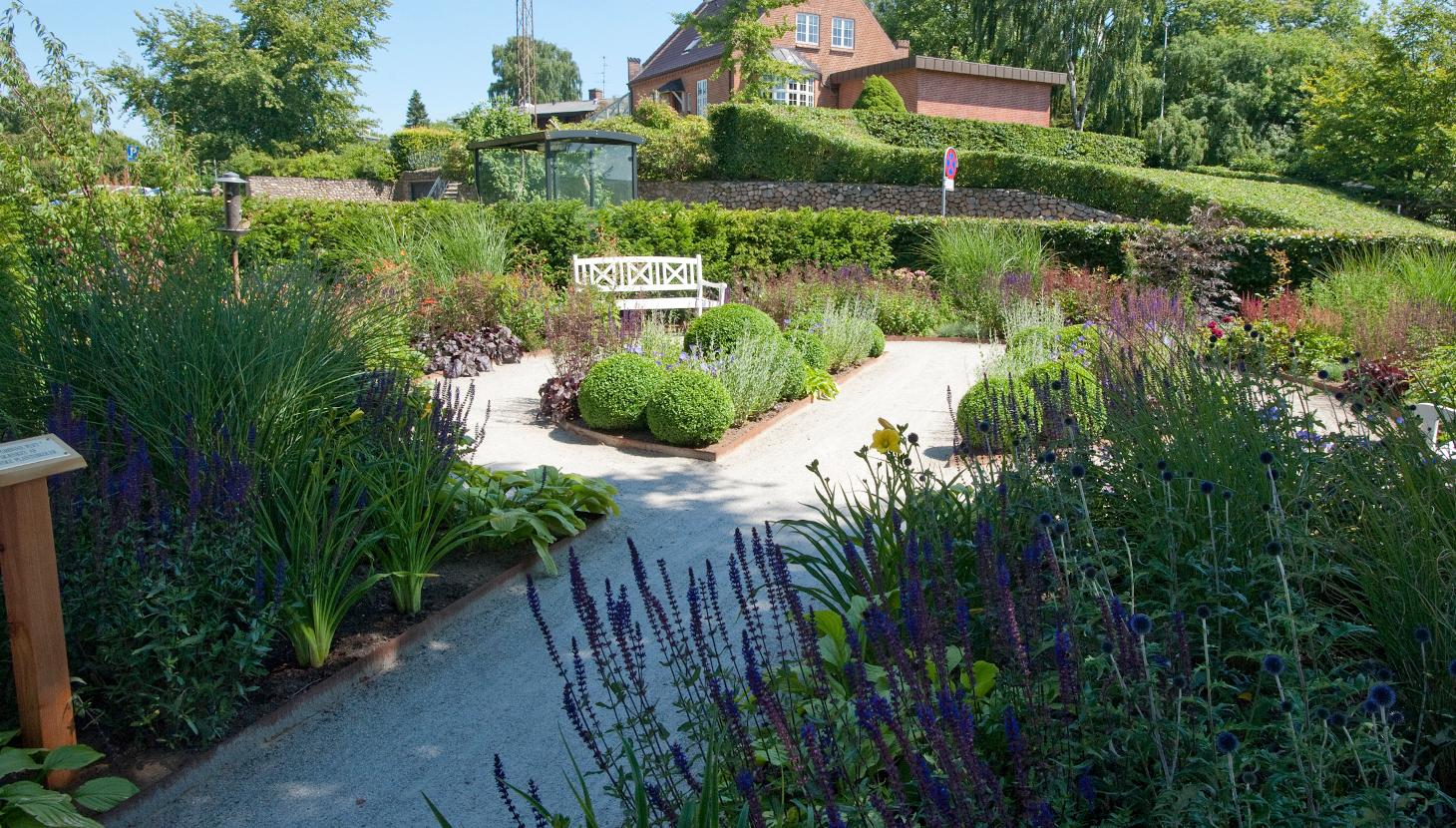
A small shaded seating space surrounded by planting can provide privacy and visual separation from busier parts of the garden. Such spaces can be particularly valuable for users who prefer solitude or reduced sensory stimulation.
The principle is simple:
Give people choices.
A successful therapeutic garden can provide spaces for activity, observation, interaction, movement and quiet reflection within the same overall landscape.
Gardening as a Therapeutic Activity
There is an important distinction between a therapeutic garden and horticultural therapy.
A therapeutic garden is a physical environment designed to support well-being. Horticultural therapy is a structured practice in which gardening and plant-based activities are used as part of a planned therapeutic or rehabilitative process, typically involving trained professionals.
The garden can support such activities by providing accessible planting beds, suitable tools, pathways, work areas and spaces for group or individual participation.
Thus, the landscape can become not only a place to look at plants but also a place to interact with them.
Therapeutic Gardens in Schools
Children learn through their surroundings.
A therapeutic or well-being-oriented school garden can combine nature, outdoor learning, sensory experiences, biodiversity and quiet spaces.
Planting areas can introduce children to seasonal changes, plant growth, pollinators, soil, water and ecological relationships.
Shaded outdoor spaces can also provide opportunities for observation, reading, informal learning or simply spending time outdoors.
The design should remain age-appropriate, safe, accessible and easy to maintain.
Therapeutic Gardens in Healthcare Settings
Healthcare environments can be stressful for patients, families, visitors and staff.
Outdoor spaces can provide an alternative environment away from clinical interiors. Depending on the setting, gardens may include accessible walking paths, shaded seating, sensory planting, quiet areas, family spaces and views of vegetation from indoor rooms.
The landscape should complement- not replace- medical care.
A therapeutic garden is an environmental support that can contribute to comfort and well-being; it should not be presented as a substitute for clinical treatment.
Therapeutic Gardens for Senior Living
For older adults, garden design can incorporate opportunities for safe walking, sitting, gardening, social interaction, sensory engagement and observation.
Clear pathways, stable surfaces, appropriate lighting, comfortable seating, shade and easily recognisable landscape elements can improve usability.
Planting can also encourage familiarity and memory through culturally meaningful species, seasonal flowering, edible plants and familiar garden forms.
Therapeutic Gardens in Workplaces
Workplace landscapes are increasingly being considered as part of employee well-being and environmental quality.
A workplace garden can include shaded seating, green views, walking loops, informal meeting spaces, and quieter areas for breaks.
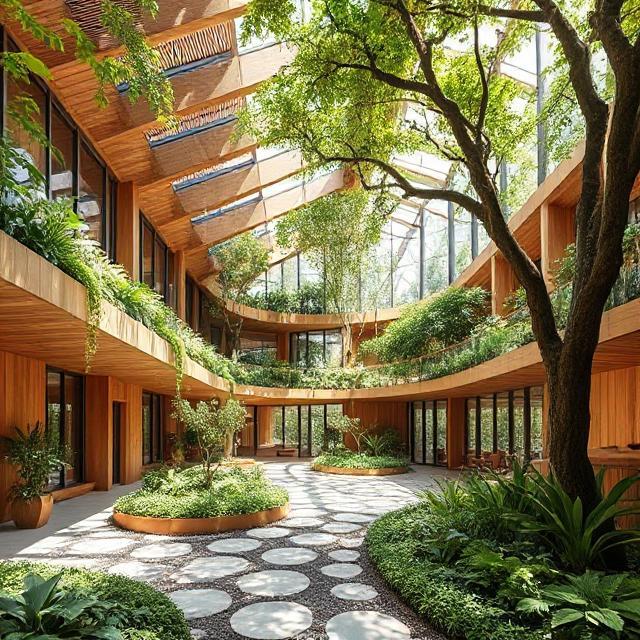
Even a relatively small landscape can become more purposeful when circulation, planting, seating, shade and visual connections are considered together.
The Importance of Evidence-Based Landscape Design
Therapeutic garden design should not rely solely on trends or assumptions.
Claims about health benefits should be interpreted carefully because outcomes can vary according to the user group, environment, type of intervention, duration of exposure and study design.
This is why evidence-informed landscape design is important.
Instead of promising that a particular plant or garden feature will produce a specific medical outcome, professional designers should focus on creating environments that support recognised pathways to well-being- such as opportunities for nature contact, physical activity, social connection, sensory engagement, comfort and restoration.
From Ornamental Garden to Purposeful Landscape
The difference between an ordinary ornamental landscape and a therapeutic landscape is often found in the questions asked during design.
An ornamental approach may begin with:
“What will look beautiful here?”
A therapeutic approach asks:
“Who will use this space, what experience should they have, and how can the landscape support that experience?”
The result can still be beautiful. But beauty becomes part of a larger purpose.
Designing Therapeutic Gardens for Indian Conditions
India's diverse climate, culture, plant wealth and patterns of outdoor use create significant opportunities for therapeutic landscape design.
Plant selection should respond to local climatic conditions rather than relying exclusively on imported landscape styles. Native and well-adapted species can contribute to biodiversity, resilience and lower resource requirements when appropriately selected.
At the same time, cultural familiarity matters. Plants associated with local traditions, food, festivals, seasonal changes and everyday life can create stronger connections between people and place.
For Indian landscapes, therapeutic design should therefore bring together horticultural science, local ecology, cultural context, climate responsiveness, accessibility and practical maintenance.
A Science-Driven Approach to Therapeutic Landscape Design
At SR Greenscapes Pvt Ltd, our approach begins with understanding the site and its users.
We consider factors such as:
Site → Climate → Users → Function → Plants → Microclimate → Accessibility → Maintenance
Each element influences the next.
A plant palette must respond to the site. The site must respond to the users. Circulation must respond to accessibility. Shade must respond to climate. Maintenance must respond to the long-term operational capacity of the landscape.
This integrated approach helps transform a garden from a collection of plants into a functional living environment.
Therapeutic Gardens Are Living Systems
A therapeutic garden is never truly finished.
Plants grow. Seasons change. Light patterns shift. Users develop new relationships with the space. Some plants may need replacement, while others become established features of the landscape.
Long-term maintenance is therefore part of therapeutic garden design—not an afterthought.
Pruning, irrigation, soil health, plant nutrition, pest management, pathway maintenance, safety inspections, and seasonal planting all contribute to the continued performance of the garden.
A neglected therapeutic garden can quickly lose the qualities that made it useful in the first place.
The Future of Therapeutic Landscape Design
As cities become denser and people spend increasing amounts of time in built environments, the importance of meaningful green spaces is likely to continue growing.
The future of landscape design is not simply about adding more greenery.
It is about asking how green spaces can become more functional, inclusive, ecologically responsible and responsive to human needs.
Therapeutic gardens represent one important direction in this evolution- where horticulture, landscape architecture, environmental science, accessibility and human well-being come together.
Final Thoughts
A therapeutic garden is more than a collection of plants.
It is a carefully considered environment where nature and people can interact in meaningful ways.
Through appropriate planting, accessible circulation, comfortable microclimates, sensory experiences, social spaces, quiet retreats and opportunities for movement and gardening, landscape design can create environments that support everyday well-being.
At SR Greenscapes, we see this as an extension of our core philosophy:
Science-Driven Sustainable Landscapes.
Because when landscape design is backed by science, horticultural knowledge, and an understanding of people, a garden can become more than beautiful.
It can become purposeful.
Frequently Asked Questions
What is the main purpose of a therapeutic garden?
The main purpose is to create an outdoor environment intentionally designed to support well-being through nature contact, sensory experiences, movement, social interaction, comfort, and opportunities for quiet or restorative experiences.
Are therapeutic gardens only used in hospitals?
No. Therapeutic and well-being-oriented gardens can be developed in hospitals, rehabilitation centres, schools, senior living communities, workplaces, residential settings, wellness facilities, and community spaces.
What plants are suitable for a therapeutic garden?
There is no universal plant list. Plants should be selected according to climate, site conditions, user requirements, safety, sensory qualities, ecological value, maintenance needs, and intended activities.
Is a therapeutic garden the same as horticultural therapy?
No. A therapeutic garden is a designed environment. Horticultural therapy is a structured therapeutic practice involving plant-based activities. A therapeutic garden can, however, be designed to support horticultural therapy programmes.
Can a small garden become a therapeutic garden?
Yes. Therapeutic design does not require a large area. Even a small courtyard, terrace garden, school garden, or institutional green space can incorporate elements such as sensory planting, comfortable seating, shade, accessibility, and opportunities for nature interaction.
Can therapeutic gardens replace medical treatment?
No. Therapeutic gardens should not be considered a replacement for medical or psychological treatment. They are environmental spaces designed to support comfort, engagement, nature connection, and overall well-being.
SR Greenscapes Pvt Ltd
Science-Driven Sustainable Landscapes
Landscape Design | Landscape Execution | Specialized Garden Services | Horticulture Consultancy | Nursery & Plant Supply | Maintenance
Sowing Science. Growing Beauty.